


As the colder months wind down, we often turn our attention to tasks around the house that might have been put on the back burner. One area that deserves a look after a season of heavy use is our chimney. Winter’s demands can take a toll, and the period between the end of heating season and the start of summer is a good time to check things over. We want to make sure everything is in good shape before the warmer weather arrives, and that includes looking at our chimneys, especially those with slate roofs.
Key Takeaways
- After the heating season ends, it’s smart to inspect your chimney for any damage that might have happened during winter use. Look for cracks, loose bricks, or signs of wear.
- Common chimney problems can include masonry damage, blockages from debris or animals, and issues with the chimney cap or liner. Getting these fixed now prevents bigger problems later.
- Scheduling professional slate roof chimney repair before summer is a good idea. This ensures your chimney is safe and sound, and regular maintenance helps it last longer.
Addressing Chimney Issues Post-Heating Season
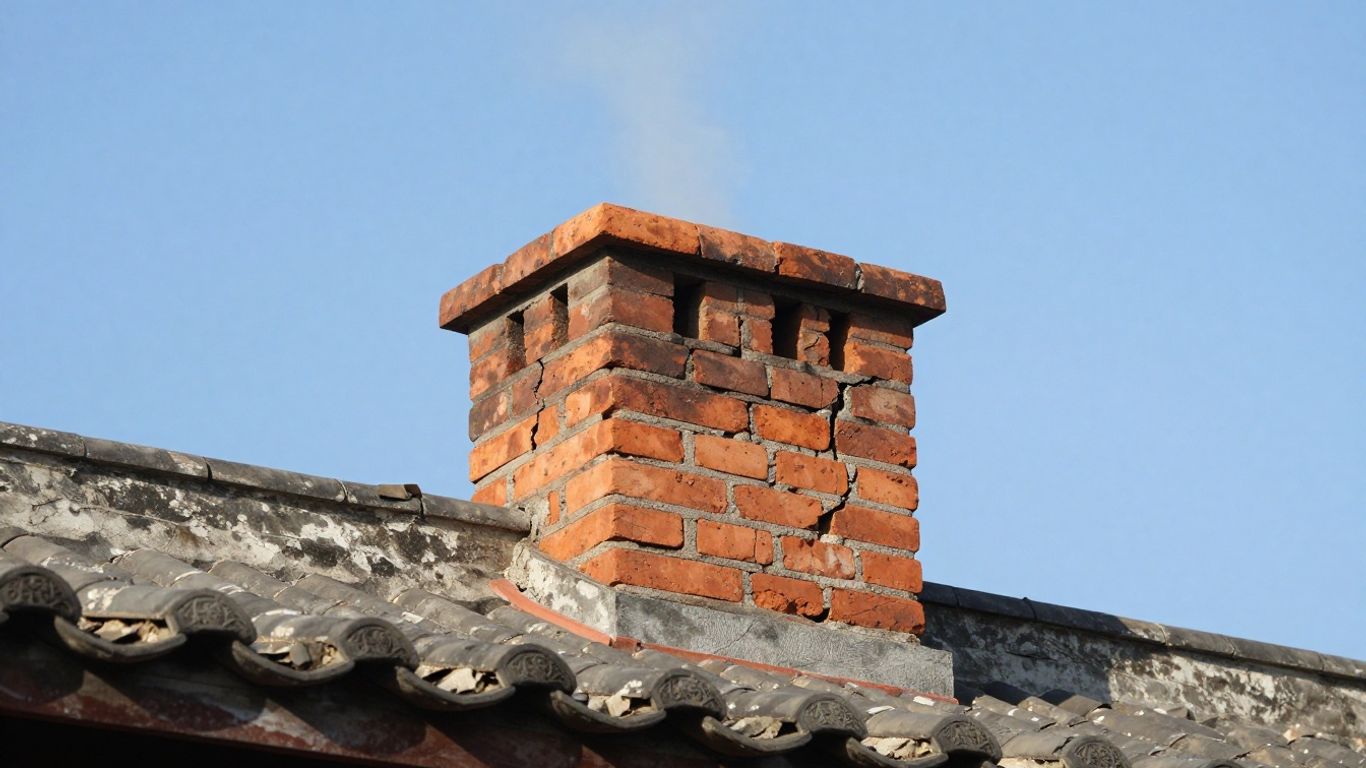
Now that the chill is gone and we’ve put the fireplace and heating systems to rest for the year, it’s a good time to take a close look at our chimneys. We’ve relied on them heavily during the colder months, and winter’s wear and tear can leave its mark. It’s wise to inspect for any damage that might have occurred after all that winter use.
Inspecting For Damage After Winter Use
After a season of fires and heating, our chimneys have been through a lot. We need to check for signs of trouble. Things like cracks in the masonry, loose bricks, or damaged mortar joints are common issues we might find. We should also look at the chimney cap to see if it’s still secure and hasn’t been dislodged by wind or snow. Sometimes, creosote buildup can become a real problem, and while we might not be able to fully clean it ourselves, we can certainly spot if it looks excessive.
Here are some things we should be on the lookout for:
- Cracks in the brickwork or flue liner
- Loose or missing mortar
- Damage to the chimney cap or crown
- Signs of water penetration, like efflorescence (a white, powdery deposit)
- Excessive creosote buildup inside the firebox
Understanding Common Chimney Problems
We often see a few recurring issues with chimneys after heavy use. One of the most frequent is spalling, which is when the surface of the brick starts to flake off. This usually happens because moisture gets into the brick and then freezes and thaws, breaking it down. Another common problem is a damaged flue liner. If the liner cracks or breaks, smoke and dangerous gases can leak into your home, which is a serious safety concern. We also need to be mindful of blockages from debris like leaves or animal nests, especially if the chimney cap isn’t in good shape.
We’ve noticed that chimneys exposed to harsh weather conditions tend to show more wear. It’s not just about the fires we build; the elements play a big role in how our chimneys hold up over time. Regular checks help us catch these issues before they become major headaches.
We should also consider the condition of the flashing around the chimney where it meets the roof. If this seal is broken, water can easily get into your attic or walls, leading to rot and other water damage. It’s a part of the chimney system that often gets overlooked but is quite important for keeping our homes dry.
Preparing Your Chimney For Warmer Months
Now that the heating season has wrapped up, it’s the perfect time to think about your chimney’s condition before the summer heat really sets in. We want to make sure everything is in good shape, not just for the next cold spell, but also to prevent any issues from cropping up during the warmer, wetter months.
Scheduling Professional Slate Roof Chimney Repair
If our inspections revealed any problems, especially with the chimney structure itself or its connection to a slate roof, now is the time to get it fixed. Waiting can lead to bigger, more expensive repairs down the line. We should look for a reputable company that has experience with slate roofs, as they require a delicate touch. They can assess things like:
- Cracked or missing mortar
- Damaged flashing around the chimney base
- Loose or displaced bricks or stones
- Any signs of water intrusion
Getting these repairs done now means we avoid potential water damage during summer storms. It’s much easier to schedule this work when contractors aren’t swamped with emergency calls.
Preventative Maintenance For Longevity
Beyond specific repairs, a little preventative care goes a long way. We can take steps to keep our chimney system working well for years to come. This includes:
- Cleaning: A thorough chimney sweep removes creosote buildup, which is a fire hazard, and also clears out any debris like bird nests that might have accumulated.
- Cap and Crown Check: We should ensure the chimney cap is secure and the crown (the concrete slab at the top) is free of cracks. These are vital for keeping water and animals out.
- Exterior Inspection: A quick look at the exterior brickwork or siding around the chimney can reveal minor issues like loose paint or small cracks that are easy to address.
Taking these proactive steps helps protect our home from the elements and ensures our chimney is ready for whatever the weather throws at it, whether it’s a sudden summer shower or the first chill of autumn.
Wrapping Up Chimney Care
So, we’ve talked about why getting your chimney checked out after the cold months and before the heat of summer is a good idea. It just makes sense to handle these things when you’re not actively using the fireplace or the heating system. This way, you give professionals the time they need to do the job right, without any rush. Plus, you avoid any surprises when the weather turns cold again. We think taking care of your chimney now is a smart move for peace of mind and safety all year round.
Frequently Asked Questions
Why should we check our chimney after the heating season?
After a long winter of heating our homes, our chimneys have worked hard. This heavy use can cause hidden problems. We need to inspect it to make sure everything is okay before the weather gets warmer.
What are some common chimney issues we might find?
We often see things like cracks in the bricks or the lining, loose mortar, or even blockages from debris or animal nests. Sometimes, the cap on top might be damaged, letting in rain or animals.
How can scheduling repairs now help us later?
By taking care of any needed fixes now, we prevent small problems from becoming big, expensive ones. It also means our chimney will be in good shape for next winter’s heating season and won’t be a worry during the summer.

