


Choosing the right roofing material for our homes in Maryland can feel like a big decision, especially with spring weather bringing its own set of challenges. We often look at two main options: natural slate and asphalt shingles. Both have their own good points and drawbacks, and understanding what works best for our region is key to making a choice we won’t regret. Let’s break down what each offers.
Key Takeaways
- When we think about Maryland slate roofing, we’re looking at a material that lasts a very long time and looks great, but it costs more upfront.
- Asphalt shingles are a more budget-friendly choice and hold up pretty well against Maryland’s spring weather, making them a practical option for many homeowners.
- Our final decision between slate and asphalt will depend on how much we want to spend now, how long we expect the roof to last, and what kind of look we prefer for our home.
Considering Maryland Slate Roofing For Your Home
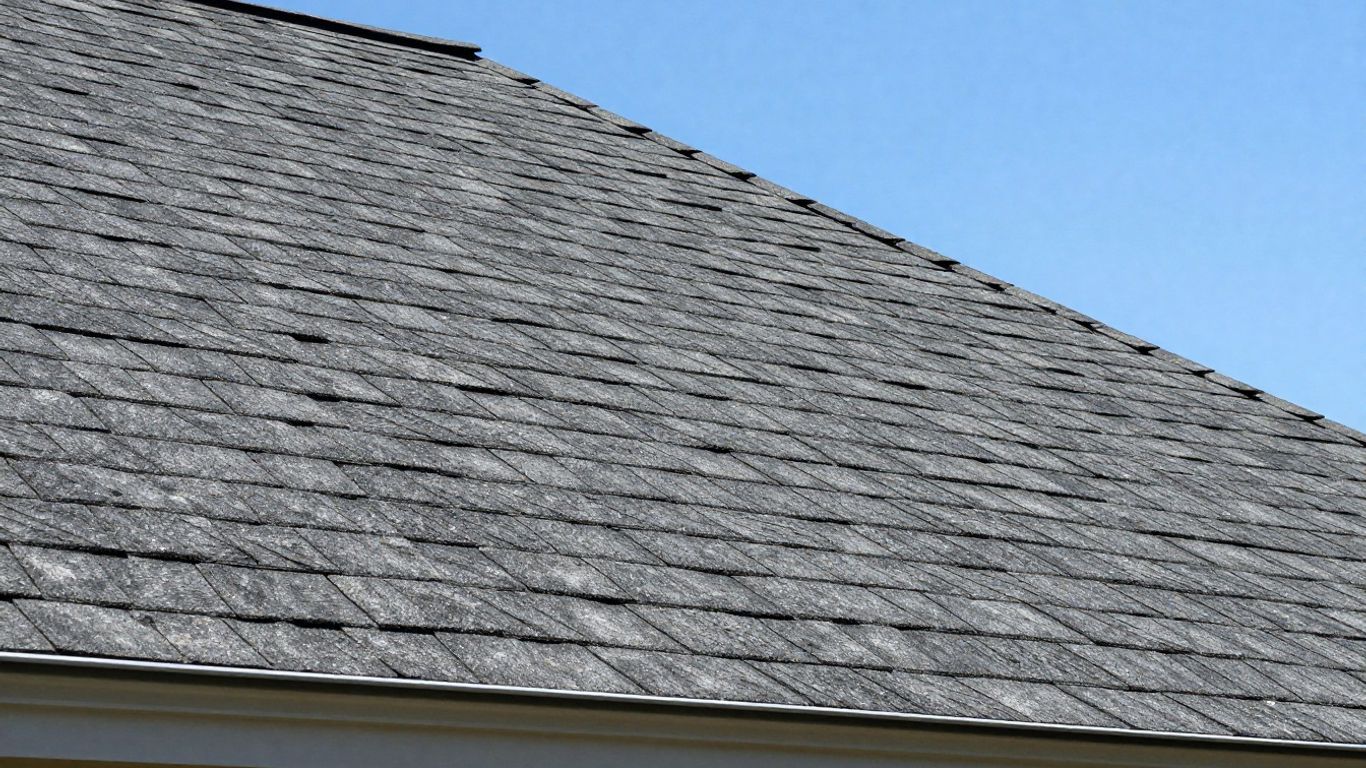
When we think about roofing for our homes here in Maryland, especially with the unpredictable spring weather we often get, slate naturally comes to mind for many. It’s a material that has been around for ages, and for good reason. We’re going to look at why slate is such a popular choice and what it really means to invest in it for your Maryland home.
The Enduring Appeal of Natural Slate
There’s just something about natural slate that catches the eye. It has a look that’s hard to replicate, giving a home a certain gravitas and timeless beauty. Each piece of slate is unique, with its own color variations and textures. This natural variation means your roof won’t look like every other house on the block; it’ll have its own character. We find that slate roofs often become a defining feature of a home’s architecture, adding curb appeal that just doesn’t fade over time. It’s not just about looks, though. Slate is incredibly durable. We’re talking about a material that can last for a century or more if properly installed and maintained. Think about that – a roof that could potentially outlast the house itself! This longevity is a big part of its appeal. Plus, it’s a natural product, which appeals to homeowners looking for more sustainable options.
Understanding the Investment in Maryland Slate Roofing
Now, let’s talk about the cost. We know that slate roofing is a significant upfront investment. It’s generally more expensive than other roofing materials like asphalt shingles, both in terms of the material itself and the labor required for installation. Slate is heavy, so your home’s structure might need reinforcement, and installing it requires specialized skills. This isn’t a DIY job, and finding experienced slate roofers is important. However, when we consider the lifespan of a slate roof – often 75 to 150 years, sometimes even longer – the cost per year becomes much more reasonable. We often see it as a long-term investment rather than just an expense. Think about how many times you might have to replace an asphalt roof over the same period. Slate can also increase your home’s value, making it an attractive feature for potential buyers down the line. We also need to consider maintenance. While slate is very low maintenance, it’s not maintenance-free. We should be aware of potential issues like broken slates after a severe storm or freeze-thaw cycles common in Maryland springs. Regular inspections are a good idea.
When considering slate, it’s important to look beyond the initial price tag. Its longevity, aesthetic appeal, and potential to increase home value make it a worthwhile consideration for homeowners who plan to stay in their homes for a long time and appreciate a truly classic look.
Asphalt Shingles: A Practical Alternative for Maryland Climates
When we think about roofing for our homes here in Maryland, especially with spring weather in mind, asphalt shingles often come up. They’re a really common choice for a reason, and it’s worth looking at why they work so well for us.
Durability and Performance of Asphalt in Spring Weather
Spring in Maryland can be a bit of a mixed bag, right? We get those sudden downpours, sometimes strong winds, and even the occasional late frost. Asphalt shingles have gotten pretty good at handling this kind of weather. The materials used today are designed to be flexible enough to withstand temperature changes without cracking, which is important when you have chilly mornings followed by warmer afternoons. We’ve seen them hold up well against heavy rain, with good quality shingles properly installed shedding water effectively. The granules on the surface also help protect the asphalt from UV rays, which can degrade roofing materials over time, though spring sun isn’t usually the biggest concern compared to summer.
- Impact Resistance: Many modern asphalt shingles are rated for impact resistance, meaning they can take a hit from hail or falling branches without shattering. This is a big plus for our region.
- Wind Uplift: Proper installation with the right number of nails is key, but asphalt shingles are designed to resist wind uplift, which is important during those spring storms.
- Water Shedding: The overlapping design of shingles, combined with their material, helps direct water down and away from your roof, preventing leaks.
Cost-Effectiveness of Asphalt Roofing Solutions
Let’s be honest, budget is always a factor. Asphalt shingles are generally much more affordable upfront compared to natural slate. This makes them a practical choice for many homeowners who need a reliable roof without a massive initial outlay. While they might not last as long as slate, the initial savings can be significant, and they still offer a good lifespan when properly maintained.
Here’s a general idea of what we might expect:
| Roofing Material | Average Lifespan (Years) | Approximate Cost per Square Foot (Installed) |
|---|---|---|
| Asphalt Shingles | 15-30 | $3.50 – $7.00 |
| Natural Slate | 50+ | $10.00 – $30.00+ |
The initial cost is a major draw for asphalt shingles. While the long-term investment might lean towards other materials, the immediate financial relief and still-solid performance make them a sensible option for many Maryland homes, especially when balancing budget with the need for protection against our spring weather.
When we’re looking at replacing our roof, asphalt shingles present a solid middle ground. They offer decent protection for our local climate, and the price point is usually much easier to manage. It’s a practical decision that many of us make, and for good reason.
Making the Final Call
So, we’ve looked at how slate and asphalt shingles handle Maryland’s spring weather. It’s not a simple choice, is it? We see how slate holds up well, looking good for ages, but it costs a lot more upfront. Asphalt is the common pick, easier on the wallet, and does a decent job, though it might not last as long. When it comes down to it, we have to think about our budget and how long we plan to stay in our homes. Both have their good points and their drawbacks, especially with those spring showers and winds we get around here. We hope this helps you figure out what’s best for your roof.
Frequently Asked Questions
How long do slate roofs typically last in Maryland’s weather?
We often see natural slate roofs last for a very, very long time, sometimes over a century! They are incredibly tough and can handle the ups and downs of Maryland’s spring, from sudden rain showers to chilly winds. It’s a big upfront cost, but over many decades, it can be a smart choice for durability.
Are asphalt shingles a good choice for Maryland’s spring weather?
Yes, asphalt shingles are a popular and practical option for us here in Maryland. They’re designed to hold up well against common spring conditions like wind and rain. While they don’t last as long as slate, they offer a good balance of protection and affordability, making them a solid choice for many homeowners.
Which roofing material is more budget-friendly for a homeowner in Maryland?
Generally, asphalt shingles are much more budget-friendly when we first install them. Slate roofing requires a larger initial investment. However, when we consider the very long lifespan of slate, the cost per year can become quite competitive over many, many years. For most folks looking for a more immediate cost saving, asphalt is usually the way to go.

