


Summer storms can be beautiful, but they can also bring unexpected damage to our homes. After a strong storm with hail, it’s a good idea to check your roof. We want to make sure everything is okay, especially if you have a slate roof. Sometimes hail can cause problems that aren’t immediately obvious, and we need to know what to look for. This guide will help us spot any issues and figure out what to do next.
Key Takeaways
- We should look for specific signs of hail damage on our shingles and slate roofs after a storm.
- Knowing when to call a pro for slate roof hail damage repair is important for fixing things right.
- Understanding the steps involved in slate roof hail damage repair helps us prepare for the process.
Inspecting Your Roof For Hail Impact
After a summer storm, it’s natural to feel a little anxious about what might’ve happened overhead. Even if things look fine from the ground, we always want to check for possible hail impact as soon as it’s safe. Spotting damage early can help us avoid leaks and bigger repair bills. Let’s walk through the signs to look for on both shingle and slate roofs.
Common Signs of Hail Damage on Shingles
It’s pretty easy to miss minor hail dents until trouble starts. Here’s what we should keep in mind while checking our home’s shingle roof:
- Look for dark spots that seem random, sometimes soft to the touch
- Notice if granules are missing – these little sandy bits protect the shingle
- Check for cracks or lines across the shingle surface
| Damage Type | What It Looks Like | Why It Matters |
|---|---|---|
| Bruising | Soft, dark indentations | May lead to leaks |
| Granule Loss | Bald or shiny patches | Lowers roof lifespan |
| Cracking | Visible splits in shingle | Creates leak points |
If we catch these problems early, repairs stay small and simple. Waiting could mean replacing whole sections of roof later.
Identifying Hail Damage on Slate Roofs
Slate roofs hold up better to hail, but they’re not indestructible. We should keep our eyes peeled for:
- Slate pieces that have chipped or broken off, especially near the edges
- Small punctures or holes—these often look like little craters
- Loose or missing tiles, which could mean the hail knocked them loose even if they’re out of sight
Slate is resilient, but ignoring damage lets water in and can break more tiles over time. We’re better off fixing a few broken pieces than waiting until something big happens.
Addressing Hail Damage and Repair Options
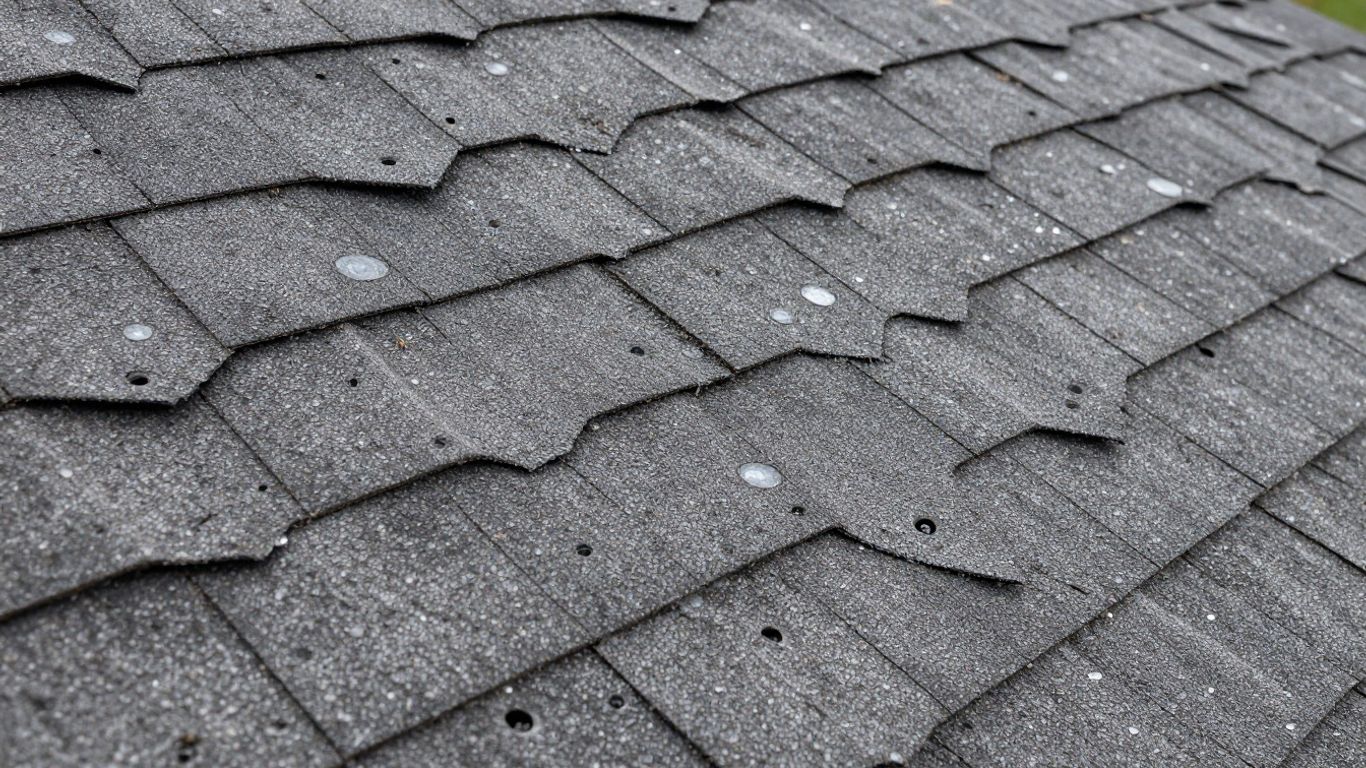
After a storm, spotting hail damage is just the first step. What comes next is figuring out how to fix it. We’ve seen a lot of roofs after summer storms, and knowing when to call in the pros, especially for certain materials, makes a big difference. It’s not always obvious what needs doing, and sometimes a small issue can become a bigger headache if ignored.
When to Call a Professional for Slate Roof Hail Damage Repair
Slate roofs are tough, but hail can still cause problems. If you see cracks, chips, or even just deep dents on your slate tiles, it’s usually time to get a professional involved. Unlike asphalt shingles, slate is a natural stone, and repairing it requires specific knowledge and tools. Trying to fix it yourself could lead to more damage or even injury. We generally advise calling a roofer if:
- You notice any pieces of slate are broken or missing.
- There are significant cracks or deep gouges in the tiles.
- You’re unsure about the extent of the damage.
- The hail was particularly large or the storm was severe.
Don’t try to replace damaged slate tiles on your own unless you have prior experience. It’s a job best left to those who know the material and how to work with it safely.
Understanding the Slate Roof Hail Damage Repair Process
When we deal with hail damage on a slate roof, the process usually involves a few key stages. First, we do a thorough inspection to pinpoint every bit of damage. This isn’t just about the obvious cracks; we look for smaller signs too.
- Inspection: A detailed check of the entire roof surface, including flashing and gutters.
- Assessment: Determining the severity of the damage and whether individual tiles need replacement or if a larger repair is needed.
- Repair/Replacement: Carefully removing damaged slate tiles and installing new ones that match the existing roof in color and size. This often involves specialized tools to avoid breaking adjacent tiles.
- Cleanup and Verification: Ensuring the area is clean and that the new tiles are properly set and sealed.
The goal is always to restore the roof’s integrity and appearance. We want to make sure it can continue to protect your home effectively for years to come. It’s about more than just looks; it’s about function and longevity.
For asphalt shingles, the repair process might be a bit simpler, often involving replacing damaged shingles. But with slate, the care taken during repair is really important for maintaining the roof’s value and performance.
Wrapping Up: What to Do Next
After a big summer storm, it’s easy to just forget about the roof and move on. But we’ve seen how hail can leave hidden damage that might not show up right away. Taking a little time to check your shingles, gutters, and even the siding around your home can save you a lot of trouble down the line. If you spot anything that looks off, don’t wait too long to call in a professional. Getting it fixed early is usually cheaper and stops small problems from becoming big, expensive ones. We hope this guide helps you feel more confident about inspecting your roof after the next storm rolls through.
Frequently Asked Questions
How can we tell if our roof has hail damage after a storm?
After a hailstorm, we should look for things like dents or small holes in the shingles, pieces of shingles missing, or dark spots where granules have been knocked off. On a slate roof, we might see cracked or broken tiles. If we see any of these signs, it’s a good idea to check the rest of the roof carefully.
Is it safe for us to inspect the roof ourselves?
It’s best to be very careful. If we feel unsure or the roof is steep, we should not climb up. Instead, we can check from the ground with binoculars or look for pieces of shingles or slate on the ground. If we think there is damage, we should call a professional to take a closer look.
What should we do if we find hail damage on our slate roof?
If we notice any damage, we should contact a roofing expert who knows how to work with slate. They can tell us how bad the damage is and what repairs are needed. Fixing slate roofs can be tricky, so it’s important to let a professional handle it to make sure our roof stays strong and safe.

