


As winter approaches, we often think about heating our homes. But what about the system that makes that heat possible? Our chimneys work hard all year, and before the cold really hits, it’s a good time for us to check them. We want to make sure they’re safe and working right, especially with things like chimney fires and water damage being real worries. Let’s talk about how keeping our chimneys in good shape helps keep our homes safe when the snow starts to fall.
Key Takeaways
- Regular chimney cleaning gets rid of creosote, a sticky substance that can catch fire. Keeping it clean means we can have fires without as much worry about a chimney fire.
- Getting a professional to look at our chimney before winter is smart. They can spot problems early, like cracks or blockages, before they become big issues when we need the fireplace most.
- For homes with a slate roof, paying attention to the chimney’s condition is important. We need to deal with issues like freeze-thaw damage to prevent bigger problems and keep the whole structure sound, and sometimes this means specific slate roof chimney repair.
Preventing Winter Fire Hazards With Chimney Maintenance
As the temperatures drop and we start looking forward to cozy evenings by the fire, it’s a good time to think about our chimneys. We often forget about them during the warmer months, but a neglected chimney can turn a pleasant winter evening into a dangerous situation. Regular maintenance is key to keeping our homes safe, especially when we’re relying on our fireplaces more often.
Addressing Creosote Buildup For Safer Fires
One of the biggest risks associated with fireplace use is creosote. This is a black, tar-like substance that forms when wood doesn’t burn completely. It sticks to the inside of your chimney walls. Think of it like soot, but much stickier and more flammable. When enough creosote builds up, it can easily ignite, leading to a chimney fire. These fires burn incredibly hot and can spread quickly to the rest of your house.
We need to be aware of how often we use our fireplaces and what kind of wood we burn. Burning unseasoned (wet) wood creates more creosote than burning dry, seasoned hardwood. The more you use your fireplace, the faster creosote will accumulate. We recommend having your chimney cleaned at least once a year, or more often if you use your fireplace frequently.
Here’s a quick look at why creosote is such a problem:
- Flammability: Creosote is highly flammable, acting like fuel for a fire inside your chimney.
- Insulation: It coats the chimney liner, trapping heat and potentially damaging the masonry.
- Blockage: Heavy buildup can restrict airflow, leading to smoke backing up into your home.
Regular cleaning removes this dangerous buildup before it becomes a serious hazard.
The Importance Of Chimney Inspections Before Cold Weather
Before the first cold snap hits, it’s really important that we get our chimneys inspected. An inspection is more than just a quick look; it’s a thorough check to make sure everything is in good working order. A professional chimney sweep will look for any signs of damage, blockages, or potential problems that could cause issues during the winter.
What do they typically look for during an inspection?
- Cracks in the chimney structure: These can let water in or allow heat to escape where it shouldn’t.
- Damage to the chimney liner: The liner protects the chimney structure from the heat and corrosive byproducts of fires. If it’s cracked or damaged, it’s a major safety concern.
- Blockages: Things like bird nests, leaves, or debris can get stuck in the flue, preventing proper ventilation.
- Creosote levels: They’ll assess how much creosote has built up and if cleaning is needed.
A professional inspection can catch small problems before they turn into big, expensive, and dangerous ones. It gives us peace of mind knowing our chimney is ready for the winter season.
We should also check the chimney cap. This is the metal covering on top of the chimney. It helps keep rain, snow, and animals out of the flue. If it’s damaged or missing, it can lead to all sorts of problems, from water damage to blockages.
Protecting Your Home From Water Damage And Structural Issues
Understanding The Impact Of Freeze-Thaw Cycles On Chimneys
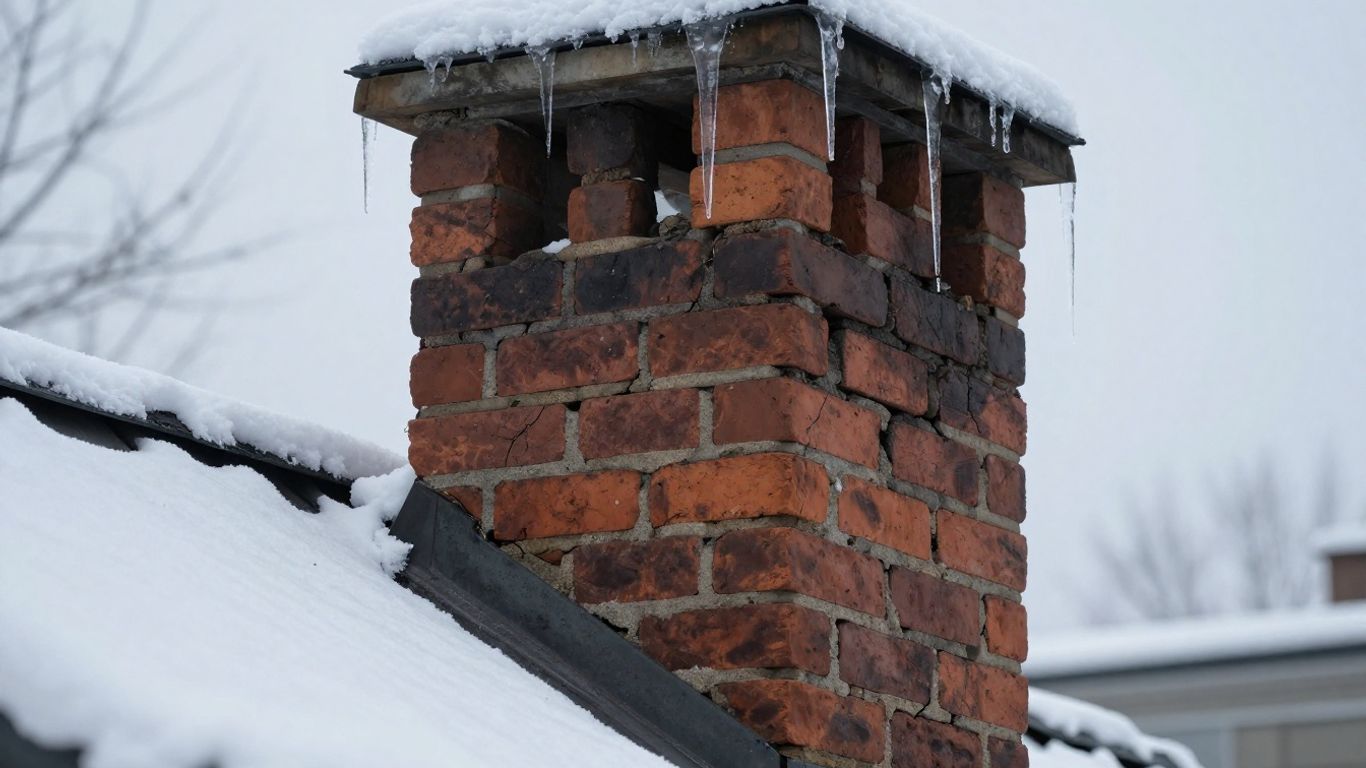
Winter’s cold can really do a number on your chimney if you’re not careful. We’ve seen it happen time and again: water gets into tiny cracks in the masonry, and when the temperature drops, that water freezes and expands. This freeze-thaw cycle is relentless. Over time, it pushes the bricks and mortar apart, making those small cracks bigger and bigger. It’s like a slow-motion demolition job happening right on your roof.
We often find that homeowners don’t realize how much damage this can cause until it’s pretty advanced. You might start seeing loose mortar on the ground around your house, or maybe some bricks look like they’re shifting. This kind of structural weakening isn’t just unsightly; it can become a serious safety concern. A compromised chimney is more likely to crumble, especially during heavy winds or snow loads.
Here’s a quick look at what happens:
- Water Intrusion: Rain, snowmelt, or even condensation seeps into porous brick and mortar.
- Freezing: Temperatures drop below 32°F (0°C), and the trapped water turns to ice.
- Expansion: Water expands by about 9% when it freezes, exerting pressure on the surrounding material.
- Thawing: When temperatures rise, the ice melts, allowing more water to penetrate deeper.
- Repeat: This cycle repeats, widening cracks and weakening the chimney structure.
We’ve put together a simple table to show how this can progress:
| Year | Initial Condition | Observed Damage | Potential Risk |
|---|---|---|---|
| 1 | Minor hairline cracks | None visible | Low |
| 3 | Cracks widen slightly | Some mortar loss | Moderate |
| 5 | Significant spalling, loose bricks | Visible structural shifts | High |
| 7+ | Major deterioration, leaning | Potential collapse | Severe |
It’s really about staying ahead of it. Regular checks can catch these issues when they’re small and much easier (and cheaper) to fix.
Expert Solutions For Slate Roof Chimney Repair
When we’re dealing with chimneys on slate roofs, there’s an extra layer of care needed. Slate is a beautiful but delicate roofing material, and we have to be careful not to damage it while we’re working on the chimney. Often, the flashing around the chimney base is where water problems start, especially on older homes. This metal strip is supposed to create a watertight seal between the chimney and the roof, but over the years, it can corrode, crack, or get dislodged.
We’ve found that many repairs involve replacing this flashing. It’s not a simple DIY job, especially when you’re working with slate. You need the right tools and techniques to lift the slate tiles without breaking them, properly install the new flashing, and then re-lay the slate so it looks like it was never disturbed. We also look at the condition of the chimney crown – that’s the concrete or stone cap on top of the chimney. If it’s cracked, water can get down into the chimney structure itself, leading to those freeze-thaw issues we talked about.
Here are some common repair steps we take:
- Assessment: We carefully inspect the chimney, flashing, and surrounding slate roof for any signs of damage or wear.
- Flashing Replacement: We remove old, damaged flashing and install new, durable metal flashing, ensuring a proper seal.
- Crown Repair/Rebuild: We repair cracks in the chimney crown or rebuild it entirely if it’s severely damaged.
- Masonry Repair: We repoint mortar joints and replace any damaged bricks to restore structural integrity.
- Waterproofing: In some cases, we apply a water-repellent sealant to the masonry to add an extra layer of protection.
We always recommend using materials that are compatible with both your chimney and your specific roofing type. For slate roofs, this means being extra mindful of the weight and the way materials are installed to avoid causing further damage. It’s a job that requires a good eye for detail and a steady hand.
Addressing these issues proactively can save you a lot of headaches and expense down the line, keeping your home safe and dry all winter long.
Wrapping Up
So, as we head into the colder months, it’s really worth taking a look at your chimney. We’ve talked about how a little upkeep can make a big difference, especially when the snow starts to fall. Keeping your chimney in good shape isn’t just about looks; it’s about keeping your home safe and warm for everyone. Don’t wait for a problem to pop up. A quick check now could save you a lot of trouble later. We think it’s a smart move for any homeowner wanting a worry-free winter.
Frequently Asked Questions
Why is cleaning our chimney so important before winter arrives?
We need to clean our chimney before winter to get rid of creosote, which is like a sticky soot that builds up. If this stuff gets too thick, it can catch fire and cause a chimney fire. Regular cleaning helps prevent these dangerous situations, keeping our homes safe when we want to enjoy a warm fire.
What happens to chimneys when the weather gets cold and then warm repeatedly?
When water gets into tiny cracks in the chimney and then freezes, it expands. This expansion can slowly break apart the chimney materials, like bricks or mortar. This is called the freeze-thaw cycle, and it can make the chimney weak and unstable over time, which is why we need to check for damage.
How often should we have our chimney checked by a professional?
It’s a good idea for us to have our chimney looked at by an expert at least once a year, especially before the cold season begins. They can spot problems like cracks or blockages that we might miss. Getting it checked regularly helps us catch issues early before they become big, expensive, or dangerous problems.

