


How to Prepare Your Metal Roof for Fall Storms in White Marsh, MD
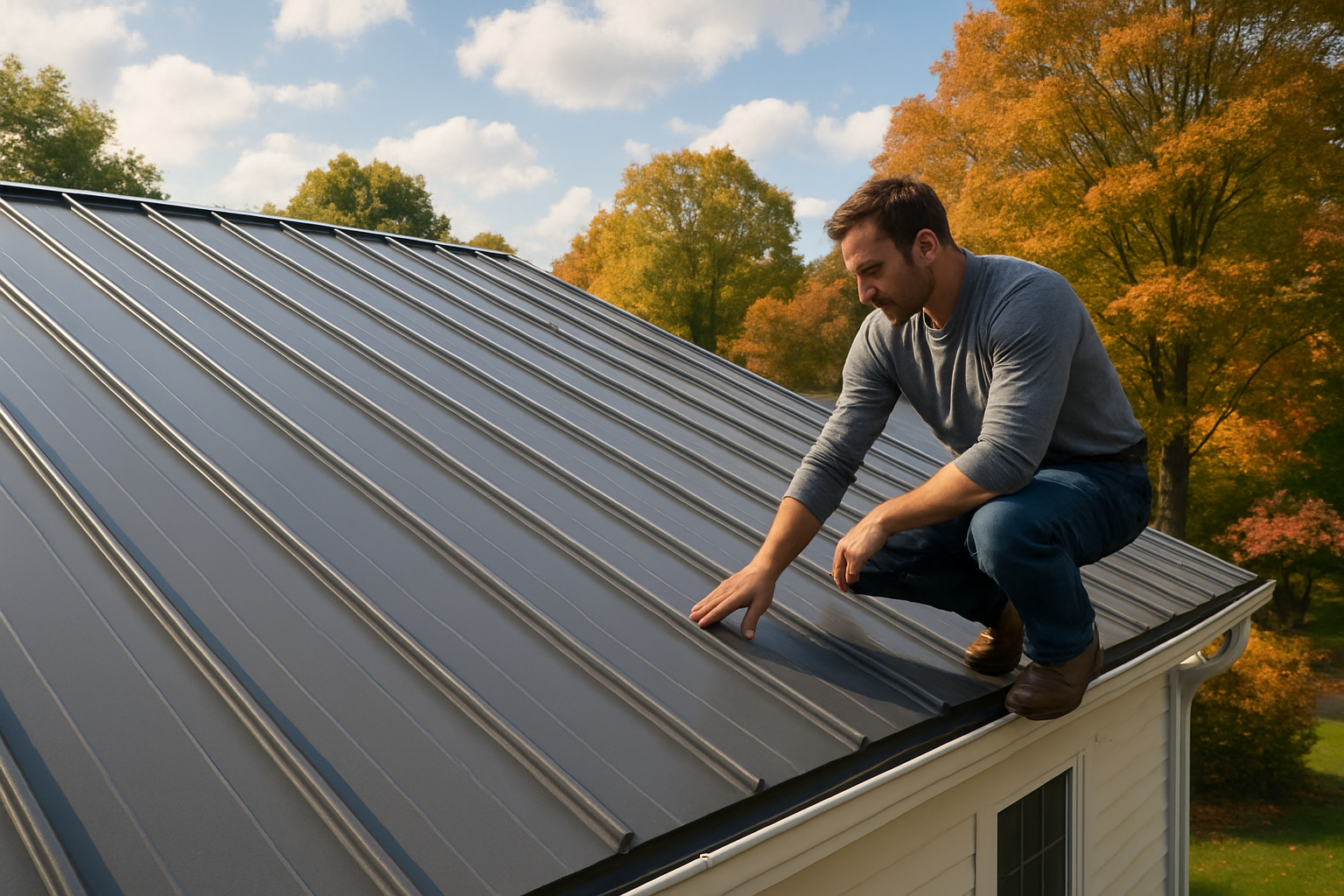
September in White Marsh, Maryland can be beautiful—cooler mornings, warm afternoons, and the first signs of fall color around Baltimore County. But it can also bring unpredictable weather. Late-summer thunderstorms, tropical storm remnants moving up the Chesapeake Bay, gusty winds, heavy downpours, and sudden temperature swings can all put stress on your roof.
If you have a metal roof, you already have one of the most durable roofing systems available. Metal roofing performs extremely well against wind, rain, and seasonal wear. However, even the strongest roof needs routine attention before fall storm season arrives. As the owner of Rollins & Associates Inc in White Marsh, MD, I always tell homeowners and property managers that preparation is much less expensive than emergency repairs.
Here’s how to get your metal roof ready for September weather and the fall storms that often follow.
Key Takeaways:
- Schedule a professional metal roof inspection before fall storms bring heavier rain and stronger winds to White Marsh.
- Clear gutters, downspouts, valleys, and roof edges so water can drain properly during September downpours.
- Check fasteners, seams, flashing, sealants, and roof penetrations for early signs of wear before small issues become leaks.
- Trim back overhanging branches to reduce storm damage and prevent leaves from collecting on the roof.
- Choose a local roofing company like Rollins & Associates Inc that understands Baltimore County weather patterns and metal roof performance.
Why September Weather Matters for Metal Roofs in White Marsh
White Marsh sits in a region where weather can change quickly in September. One week may feel like summer, and the next may bring heavy rain, cooler temperatures, and wind-driven storms. Because we are not far from the Chesapeake Bay and the I-95 corridor, local properties can experience moisture-heavy systems, tropical remnants, and fast-moving fronts.
For metal roofs, this seasonal transition matters. Expansion and contraction happen as daytime heat gives way to cooler nights. Rain can test seams, flashings, and penetrations. Leaves and small branches begin to collect around gutters and roof edges. If there are loose fasteners, aging sealants, or small gaps around vents, September storms can reveal them quickly.
The goal is simple: make sure your roof is secure, watertight, and ready before the weather becomes harsher.
Start With a Professional Metal Roof Inspection
A thorough inspection is the best first step in preparing your metal roof for fall. While some issues are obvious from the ground, many roof concerns require a trained eye. Small seam separations, backed-out screws, deteriorating washers, and minor flashing gaps can be easy to miss until water shows up inside the building.
During a metal roof inspection, Rollins & Associates Inc looks for common problem areas such as:
- Loose, missing, or backed-out fasteners
- Worn neoprene washers around exposed screws
- Open seams or panel movement
- Cracked or failing sealant around penetrations
- Rust spots, scratches, or coating damage
- Loose ridge caps, trim, or edge metal
- Flashing issues around chimneys, skylights, vents, and walls
- Evidence of ponding water or poor drainage
Even if your metal roof appears to be in good shape, an inspection before fall storms can help prevent surprise leaks. Preventive maintenance is especially important for commercial buildings, warehouses, churches, multi-family properties, and homes with older metal roofing systems.
“We had Rollins & Associates Inc inspect our metal roof before the fall rain started. They found a few loose fasteners and sealed a problem area around a vent before it ever became a leak. It gave us real peace of mind going into storm season.”
— Local property owner in White Marsh, MD
Clean Gutters, Downspouts, and Drainage Areas
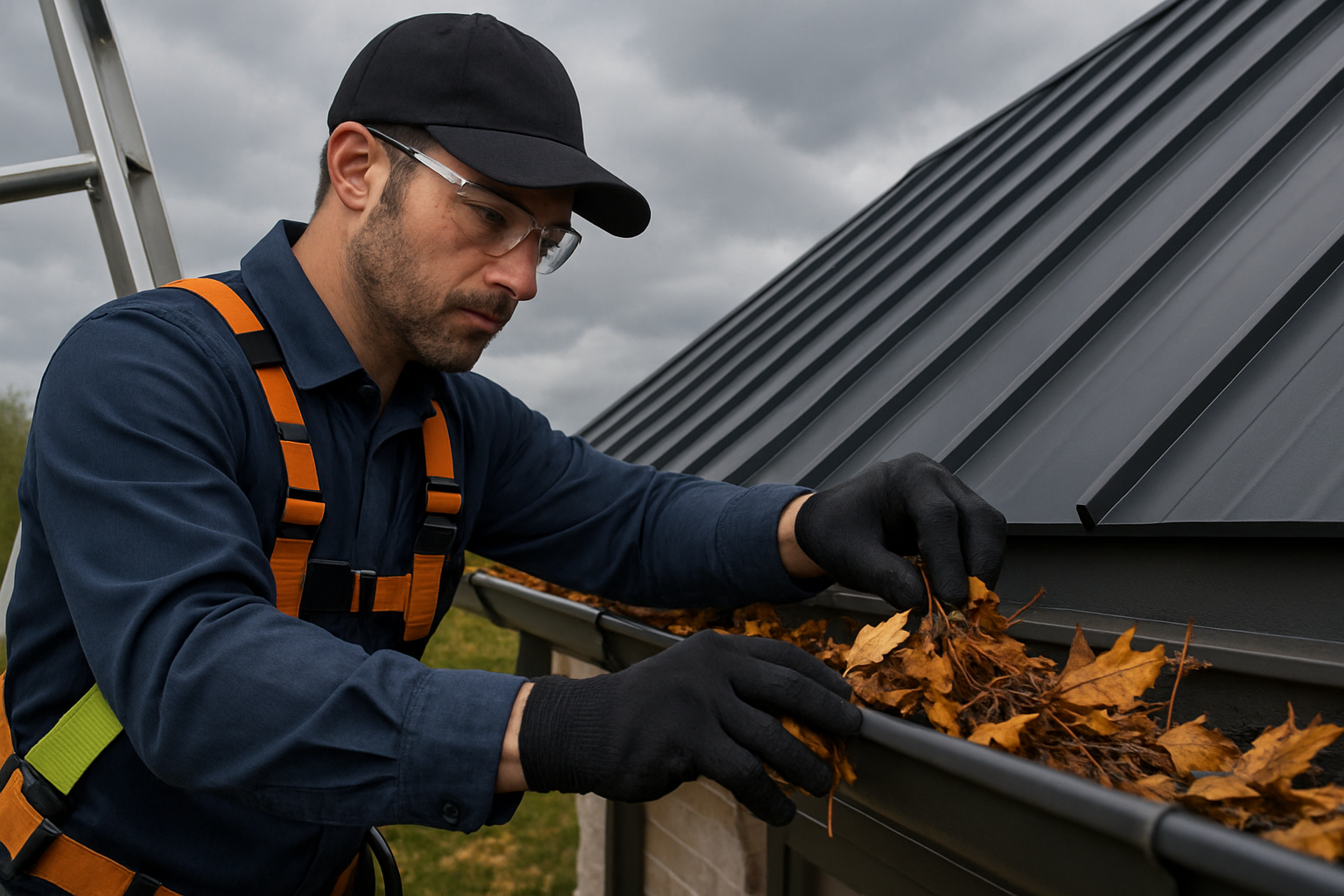
Metal roofs shed water efficiently, but that water still needs somewhere to go. In September, leaves, pine needles, twigs, and debris can begin collecting in gutters and downspouts. When drainage is blocked, rainwater can back up, overflow, or find its way behind fascia and trim.
For low-slope commercial metal roofs, drainage is even more important. Clogged scuppers, drains, or internal drainage systems can cause water to pond on the roof surface. Over time, standing water can stress seams, fasteners, and coatings.
Before fall storms arrive, make sure to:
- Remove leaves and debris from gutters
- Flush downspouts to confirm water flows freely
- Clear roof valleys and transitions
- Check scuppers, drains, and conductor heads on commercial buildings
- Look for signs of overflow staining on siding or fascia
- Make sure water is directed away from the foundation
If you are not comfortable accessing your roof or gutter system, do not take unnecessary risks. Metal roofs can be slippery, especially with morning dew or after rain. It is always safer to call a professional.
Check Flashing and Roof Penetrations
Some of the most vulnerable areas on any roof are the places where something passes through or intersects with the roof surface. On a metal roof, this includes vent pipes, exhaust fans, skylights, chimneys, HVAC curbs, solar attachments, and wall transitions.
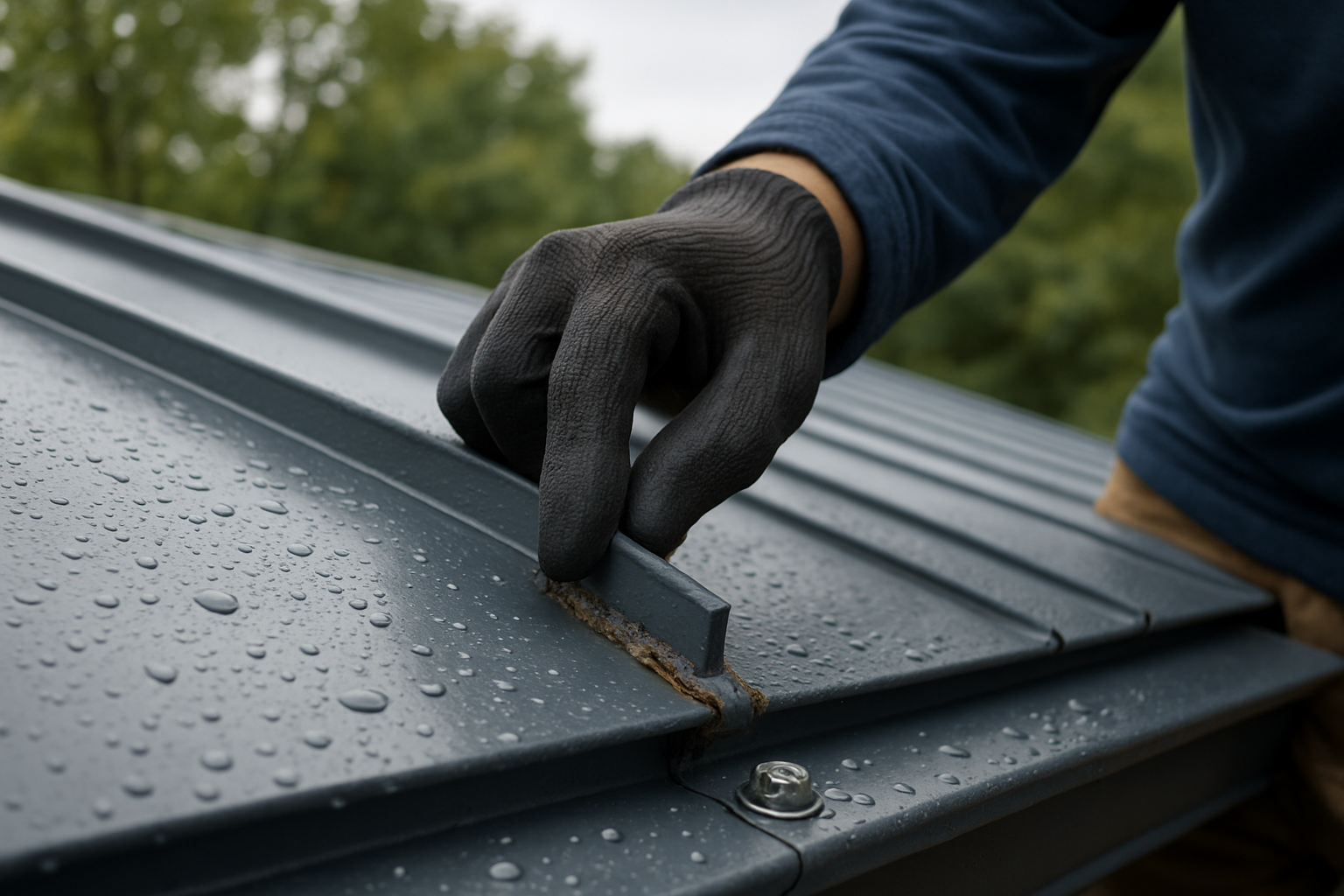
These areas rely on proper flashing, sealants, boots, and trim details to keep water out. Over time, sealants can dry out or crack. Pipe boots can split. Flashing can loosen during high winds. September storms, especially wind-driven rain, can push water into weak points that might not leak during a light shower.
At Rollins & Associates Inc, we pay close attention to these details because they are often where leaks begin. A small repair around a vent or flashing detail can help prevent drywall damage, insulation problems, mold concerns, and costly interior repairs later in the season.
Look for Loose Fasteners and Panel Movement
Many metal roofing systems use exposed fasteners, especially on agricultural, commercial, and some residential installations. These fasteners include rubber washers that help seal the opening where the screw passes through the panel. Over time, screws can loosen from thermal movement, wind uplift, or normal aging.
When fasteners back out, even slightly, water can enter around the screw. The problem may start small, but repeated storms can make it worse. On standing seam metal roofs, there may be fewer exposed fasteners, but clips, seams, and trim still need to be checked for movement.
Common warning signs include:
- Raised screw heads
- Missing or deteriorated washers
- Panel rattling during windy conditions
- Visible gaps at seams or trim
- Water stains on ceilings or walls
- Dripping during heavy rain but not during light rain
If you notice any of these signs, it is best to address them before the next major storm system moves through Baltimore County.
Trim Trees Before Wind and Rain Arrive
White Marsh has many neighborhoods and commercial properties with mature trees. They add beauty and shade, but they can also create roof risks in the fall. Overhanging limbs can scrape metal panels, damage protective coatings, and drop leaves into gutters. During strong winds, branches can break and impact the roof.
Before storm season intensifies, walk around your property and look for limbs that hang over the roofline. Branches should be trimmed back far enough to reduce contact with the roof and limit falling debris. This is especially important if your property has trees near gutters, valleys, skylights, or rooftop equipment.
Tree trimming also helps reduce the amount of organic debris that can trap moisture against the metal surface. While metal roofing resists many forms of weathering, prolonged moisture and debris buildup can contribute to staining, coating wear, or corrosion in vulnerable spots.
Inspect Coatings, Rust Spots, and Surface Damage
Most modern metal roofs are manufactured with protective coatings designed to resist rust and weathering. However, scratches, dents, exposed edges, and worn areas should be evaluated. If left untreated, small areas of coating damage can expand over time.
September is a good time to inspect for:
- Surface scratches from branches or debris
- Rust forming around fasteners or cut edges
- Chipped paint or coating wear
- Dents from hail or fallen limbs
- Discoloration caused by standing water or debris
Depending on the condition of the roof, repairs may include cleaning, sealing, fastener replacement, rust treatment, touch-up coating, or a more comprehensive maintenance plan. The right approach depends on the age of the roof, type of metal system, and extent of the damage.
Do Not Ignore Small Leaks
One of the biggest mistakes property owners make is waiting to see if a small leak gets worse. If water appears inside during a storm, there is already a path through the roofing system. Even if the leak only happens during heavy rain or wind from a certain direction, it should be taken seriously.
Water can travel along framing, insulation, and interior surfaces before it becomes visible. That means the leak you see inside may not be directly below the roof issue. A professional roof evaluation can help locate the true source and recommend the correct repair.
Addressing small leaks early can help avoid:
- Damaged drywall or ceiling tiles
- Wet insulation
- Mold and mildew concerns
- Electrical hazards
- Structural deterioration
- Higher repair costs after repeated storms
Why Choose Rollins & Associates Inc?
When you are preparing your metal roof for fall storms, choosing the right roofing contractor matters. Rollins & Associates Inc is located right here in White Marsh, MD, which means we understand the local weather, building styles, and roofing challenges that affect properties throughout the area.
We are not a faraway company guessing at what your roof needs. We work with homeowners, business owners, and property managers in our community. We know how September storms can impact metal roofing systems in Baltimore County, and we know what to look for before minor issues turn into emergency calls.
Customers choose Rollins & Associates Inc because we focus on:
- Local knowledge: We understand White Marsh weather patterns, seasonal roof concerns, and regional construction needs.
- Detail-oriented inspections: We look beyond obvious surface issues and evaluate fasteners, seams, flashing, drainage, and penetrations.
- Honest recommendations: We explain what we find and help you understand whether your roof needs maintenance, repair, or further evaluation.
- Preventive solutions: Our goal is to help you avoid leaks and storm damage whenever possible.
- Professional service: We respect your property, your time, and your need for dependable roofing work.
A metal roof is a major investment. With proper care, it can provide long-lasting protection and strong storm performance. But like any building system, it needs the right maintenance at the right time.
Schedule Your Fall Metal Roof Inspection Today
September is the ideal time to prepare your metal roof for the months ahead. The weather is still manageable, storms are becoming more frequent, and winter is not far behind. A proactive inspection now can help protect your home or business from leaks, wind damage, and drainage problems later.
If you own a property in White Marsh, MD or the surrounding Baltimore County area, Rollins & Associates Inc is ready to help. Whether you need a seasonal inspection, metal roof maintenance, storm damage repair, or an evaluation of a known leak, our team can provide the guidance and service you need.
Do not wait for the next heavy rain to find out your roof has a problem. Contact Rollins & Associates Inc today and get your metal roof ready for fall storm season in White Marsh.

