


As the weather warms up, we often think about spring cleaning and getting our homes ready. But while we’re busy inside, our chimneys might be getting unwanted attention from some local wildlife. Birds looking for a place to nest and other critters can find chimneys quite inviting. We want to make sure our homes stay ours, and that means taking steps to keep these visitors out. Let’s talk about how we can handle chimney pest prevention this spring.
Key Takeaways
- We need to know what kinds of animals might try to move into our chimneys this spring.
- Putting a cap on your chimney is a good way to stop animals from getting in.
- Keeping your chimney clean and checking it often helps prevent problems.
Securing Your Chimney Against Unwanted Spring Visitors
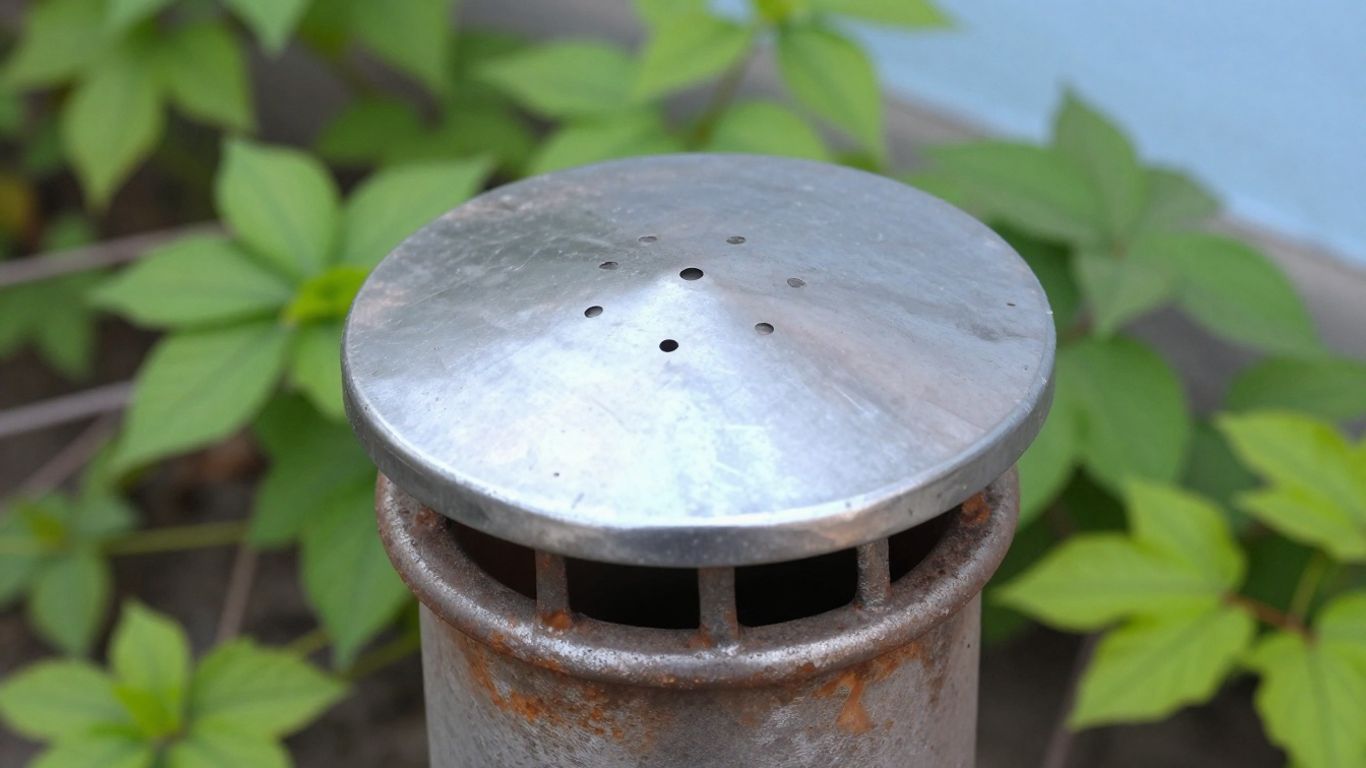
As the weather warms up, we often think about spring cleaning and getting our homes ready for the new season. But sometimes, our homes attract visitors we’d rather not have, especially in places like our chimneys. Birds might see it as a cozy spot to build a nest, and other critters might just be looking for shelter. Keeping these unwanted guests out is important for both your home’s safety and the well-being of the animals.
Identifying Common Chimney Pests
When we talk about "pests" in chimneys, it’s not always about rodents. Birds are a big one, especially during nesting season. You might find squirrels, raccoons, or even bats looking for a safe place. Sometimes, it’s just insects like wasps or bees building a hive. Knowing what you might be dealing with helps us figure out the best way to keep them out.
- Birds: Various species, especially during spring and summer, looking to nest.
- Small Mammals: Squirrels and chipmunks can squeeze into openings.
- Insects: Wasps and bees are common culprits for building nests.
- Larger Mammals: Raccoons might try to get in, though less common.
The Importance of Chimney Pest Prevention
Why bother preventing these visitors? Well, a bird’s nest or a squirrel’s stash of nuts can block your chimney. This blockage is a fire hazard because smoke can’t escape properly, potentially backing up into your house. It can also cause damage to the chimney structure itself. Plus, if animals get stuck or die in there, it creates a real mess and a terrible smell. We want to avoid all that trouble.
Preventing pests from making a home in your chimney isn’t just about keeping your house clean; it’s a practical step towards fire safety and preventing costly repairs down the line. It also helps protect wildlife by discouraging them from entering potentially dangerous spaces.
So, taking steps to secure our chimneys is a smart move for homeowners. It’s about peace of mind and protecting our property.
Effective Chimney Pest Prevention Strategies
Spring is a time for renewal, but that also means our chimneys can become attractive spots for nesting birds and other critters looking for a safe place to settle. We need to take steps to keep these unwanted visitors out. The best defense is a good offense when it comes to chimney pests.
Installing Chimney Caps and Screens
One of the most straightforward and effective ways to stop birds, squirrels, and other animals from getting into your chimney is by installing a chimney cap. Think of it as a hat for your chimney. These caps usually have a mesh screen around the sides. This mesh is fine enough to keep out even small birds and rodents, but it still lets smoke and air escape freely. We should look at caps made from durable materials like stainless steel or copper, as they’ll last longer and resist rust.
When choosing a cap, make sure it fits your chimney flue properly. Some are designed for single flues, while others can cover multiple openings. We also need to consider the mesh size. For most common pests like starlings or squirrels, a 1/2-inch or 3/4-inch mesh is usually sufficient. If you’re worried about smaller insects or bats, you might need a finer mesh, but be careful – too fine a mesh can sometimes restrict airflow, which isn’t good.
Installation is usually pretty simple. Most caps are designed to clamp onto the flue tile or the crown of the chimney. If you’re not comfortable working on your roof, it’s always best to hire a professional chimney sweep to install it for you. They can also check the cap for proper fit and security.
Regular Chimney Maintenance for Prevention
Beyond just capping the chimney, regular maintenance plays a big role in keeping pests away. A clean chimney is less appealing to animals. When we let creosote build up, it can create a rough surface that might be attractive for nesting. Plus, a buildup can be a fire hazard, which is something we definitely want to avoid.
We should aim to have our chimneys inspected and cleaned at least once a year, ideally before the nesting season really kicks off in spring. During an inspection, a professional can spot any potential entry points that a cap might not cover, like cracks in the masonry or loose bricks. They can also check for any existing nests or signs of pest activity.
Here are a few things a routine check-up should cover:
- Flue Inspection: Checking for blockages, cracks, or damage inside the flue liner.
- Damper Check: Making sure the damper seals properly when closed to prevent drafts and entry.
- Masonry Examination: Looking for loose bricks, crumbling mortar, or gaps in the chimney structure.
- Cap and Screen Condition: Verifying that any existing cap or screen is secure and free of damage.
A chimney that’s well-maintained and properly capped is far less likely to become a home for unwanted wildlife. It’s a simple investment that saves a lot of potential headaches down the road, from costly repairs to dealing with animal removal.
We also need to be mindful of what might be attracting pests in the first place. Sometimes, debris like leaves or twigs can accumulate around the top of the chimney, providing an easy starting point for a nest. Keeping the area around the chimney clear can help. If we notice any signs of pests, like droppings or chewed materials, we should address it immediately rather than waiting for the annual cleaning.
A Clearer Chimney for Spring
So, as we head into warmer weather, we’ve hopefully given our chimneys the attention they need. Keeping birds and other critters out isn’t just about peace of mind; it’s about safety too. A blocked chimney can lead to some serious problems, and nobody wants that. Taking these simple steps now means we can enjoy the rest of spring and summer without worrying about unexpected visitors or potential fire hazards. Let’s all make sure our chimneys are clear and ready for whatever the seasons bring.
Frequently Asked Questions
What kinds of critters usually try to get into our chimneys in the spring?
As the weather warms up, we often see birds looking for a safe place to build their nests. Sometimes, squirrels or raccoons might also explore chimneys for shelter. We want to keep all of them out to avoid problems.
Why is it so important to stop these animals from entering our chimneys?
When birds or other animals make nests inside, they can block the chimney. This is a fire hazard because smoke can’t escape properly. Plus, their droppings can be messy and unhealthy. We need to protect our homes and ourselves from these issues.
What’s the best way to make sure nothing gets into our chimney?
The most effective step we can take is to install a chimney cap. This is like a lid for your chimney that has mesh sides. It lets smoke out but keeps birds, squirrels, and other pests from getting in. We also recommend having our chimney checked regularly to catch any small problems before they become big ones.

