


As the warmer months approach, we want to make sure our homes are ready for the summer heat. After a spring filled with rain and wind, it’s a good time to check on our roofs, especially if we have slate. Proper slate roof maintenance tips now can save us a lot of trouble later. We’ll go over a few things we can do to get our roofs in good shape before the summer sun really starts beating down.
Key Takeaways
- We should look over our slate roofs for any damage that might have happened during spring storms. Small problems can become big ones if we don’t fix them.
- Keeping our roofs clear of leaves and other debris is important. This helps stop water from sitting around and causing issues.
- Making sure our attics have good airflow is also part of keeping the roof healthy all year round.
Essential Slate Roof Maintenance Tips For Summer Readiness
Getting our slate roof ready for a hot summer right after spring might sound like a hassle, but honestly, it’s a lot easier if we break it down. After spring showers, our roof takes a bit of a beating, and a few simple checks now can save us some headaches when the mercury jumps.
Inspect For Damage After Spring Showers
It’s surprising how much small spring storms can mess with a slate roof. We make a habit of going up (or calling a pro if heights aren’t our thing) and looking for anything out of place:
- Cracked, broken, or missing slates
- Flashing that looks loose or bent
- Dark stains or signs of water getting in
Small cracks can turn into leaks when the sun is pounding down in July, so we want to spot problems early. Sometimes we keep a quick reference table with what to watch for and how urgent the fix might be:
| Issue | Urgency | Quick Action |
|---|---|---|
| Missing slate | High | Call a roofer ASAP |
| Small crack | Medium | Monitor & schedule |
| Minor moss or algae | Low | Clean during dry day |
If we’re not sure, we snap a photo and compare it to what we saw last year. Sometimes, the change is clear as day.
Checking our roof after every storm might feel tedious, but it can keep repairs manageable and costs down.
Clear Debris To Prevent Moisture Buildup
Stuff collects on the roof after an active spring. Leaves, sticks, and those little helicopter seeds from neighboring trees all have a way of piling up. If we let them stay, they’ll trap moisture against the slate, which can lead to mold and all sorts of trouble.
So, here’s what we try to do every early summer:
- Gently sweep or blow branches, leaves, and loose dirt off the roof
- Check and clear gutters—standing stuff there is a mold magnet
- Make sure valleys and behind chimneys have no blockages
Paying attention to spots where debris gathers helps stop water from pooling. Slate roofs are good at shedding rain, but not if bits of last fall’s leaves are still hanging around.
Cleaning things up isn’t exactly a fun summer outing, but later on, when we see how well the roof handles sudden summer storms, we’re always glad we took the time.
Proactive Steps For Summer Roof Longevity
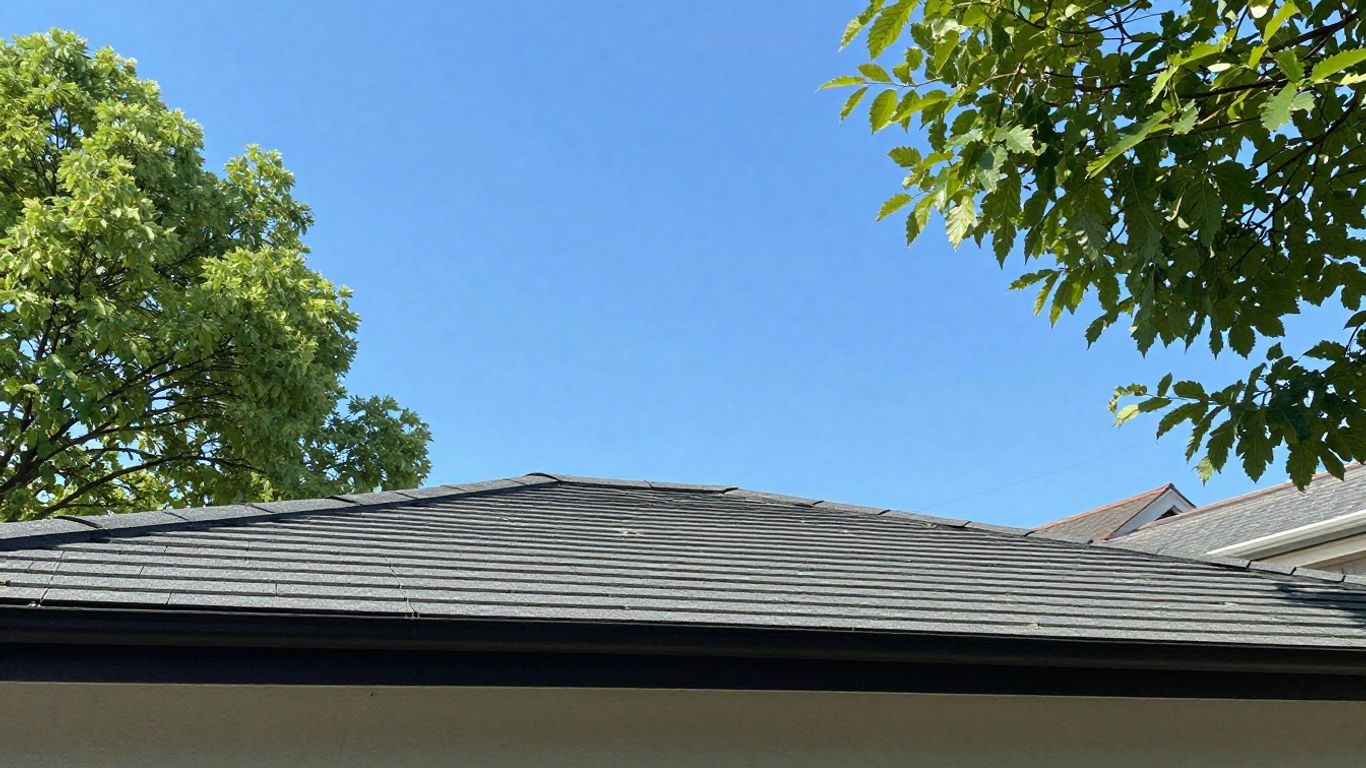
After we’ve given our roofs a good once-over following the spring showers, it’s time to think about keeping them in good shape as the summer heat rolls in. We don’t want any surprises when the temperatures really start to climb, right? Taking a few extra steps now can save us a lot of trouble later.
Address Minor Repairs Promptly
We all know how a small issue can turn into a big headache if we ignore it. The same goes for our roofs. That tiny crack in a shingle or that loose flashing we might have spotted during our spring check? It’s best to get those fixed right away. Waiting until summer, when the sun is beating down, can make repairs more difficult and potentially more expensive. Think of it like this: a small patch now prevents a larger problem when the weather gets tough.
- Don’t let small problems snowball into major roof failures.
- Check for any missing or damaged shingles.
- Inspect flashing around chimneys, vents, and skylights for any signs of wear or lifting.
- Look for any loose or popped nails.
Ensure Proper Attic Ventilation
This is a big one, especially for the summer. Our attics can get incredibly hot, and if that heat has nowhere to go, it puts a lot of stress on the roof structure and the shingles themselves. Good ventilation helps to push out that hot air and pull in cooler air, keeping the attic temperature more stable. This not only helps our roof last longer but also makes our homes more comfortable and can even lower our energy bills.
Here’s why good attic ventilation matters:
- It helps regulate attic temperature, reducing heat buildup.
- It prevents moisture from getting trapped, which can lead to mold and rot.
- It extends the lifespan of your roofing materials by reducing thermal stress.
We should check our attic vents to make sure they aren’t blocked by insulation or debris. Sometimes, just clearing out some leaves or nests can make a world of difference. If we’re unsure about our attic’s ventilation system, it might be worth consulting a professional to see if any upgrades are needed before the peak of summer.
Keeping our attics well-ventilated is a simple yet effective way to protect our roofs from the harsh summer sun and heat. It’s a proactive measure that pays off in the long run.
Ready for the Sun
So, we’ve gone through the steps to get our roofs ready for the warmer months. After a good spring check-up, we’ve made sure everything is in good shape. This means less worry about leaks or damage when the summer sun really starts beating down. Taking these steps now helps protect our homes and keeps things comfortable inside. It’s a bit of work, sure, but it’s worth it for peace of mind. Now, we can just relax and enjoy the summer without thinking too much about what’s happening up on the roof.
Frequently Asked Questions
Why is it important to check our slate roof after spring rain?
Spring showers can sometimes cause hidden damage to our slate roofs. Checking after the rain helps us find any loose or cracked tiles before the summer heat makes the problem worse. This way, we can fix small issues before they become big, costly repairs.
How does clearing debris help our roof in the summer?
When leaves and other bits of nature gather on our roof, they trap moisture. This dampness can weaken the roof over time. By clearing away this debris, we help keep our roof dry and prevent water from causing damage, which is especially important when temperatures rise and things can dry out faster, but moisture can still get trapped underneath.
What’s the benefit of fixing small roof problems right away?
It’s much easier and cheaper to fix a small crack or a loose tile now than to wait. If we ignore minor issues, the summer sun and heat can expand them, leading to bigger leaks and more serious damage. Taking care of these little things early saves us time, money, and a lot of hassle down the road.

