


As winter approaches, we want to make sure our homes are ready for the cold. One often overlooked part of this preparation is our gutters. Proper gutter installation and upkeep are key to preventing water damage, especially when ice and snow start to fall. We’ll go over what we need to do to get our gutters in good shape before the serious weather hits, including how this affects our slate roof maintenance.
Key Takeaways
- Cleaning out leaves and debris from gutters is important for water to drain properly, stopping ice dams from forming.
- We should check gutters and downspouts for any damage or loose parts, and make sure downspouts are clear to prevent freezing.
- Thinking about gutter guards can cut down on how often we need to clean, and we must remember how gutter health relates to slate roof maintenance for a lasting home.
Ensuring Gutters Are Ready for Winter Weather
Before the first snowflakes start to fall, we need to give our gutters a good once-over. It’s easy to forget about them until a problem pops up, but a little attention now can save us a lot of trouble later. Think of it like prepping your car for a road trip; you check the tires, the oil, and make sure everything’s running smoothly. Our gutters need that same kind of care.
Clearing Debris for Optimal Water Flow
Leaves, twigs, and other bits of nature love to make a home in our gutters. When winter comes, this debris can get waterlogged and heavy, or worse, freeze. This blockage stops water from draining properly, which can lead to ice dams forming along the roof edge. Ice dams can push water back up under your shingles, causing leaks inside your home. We need to get all that gunk out.
Here’s a simple plan:
- Safety First: Always use a sturdy ladder and have someone spot you. Wear gloves to protect your hands.
- Scoop it Out: Use a small trowel or a specialized gutter scoop to remove the bulk of the leaves and muck.
- Flush it Through: Once the big stuff is gone, use a garden hose to spray water down the gutters. Watch where the water goes – it should flow freely towards the downspouts.
- Check the Downspouts: Make sure water isn’t backing up in the downspouts. If it is, you might need to clear them out with a plumber’s snake or by flushing them with a strong stream of water from the hose.
A clean gutter system is key to preventing water damage.
Checking for Damage and Leaks
While we’re up there clearing things out, it’s the perfect time to look for any signs of wear and tear. Small problems can become big headaches when the temperature drops.
We should be looking for:
- Loose or Sagging Sections: Gutters should be securely attached to the house. If they’re pulling away or sagging in the middle, water can pool and overflow.
- Cracks or Holes: Even small cracks can let water seep out where it shouldn’t, potentially damaging the fascia boards or the walls below.
- Rust: If you have metal gutters, rust is a common enemy. It weakens the material and can lead to leaks.
- Water Stains: Look for water stains on the outside of the gutters or on the walls beneath them. These are clear indicators of a leak somewhere.
If we spot any damage, like a small crack or a loose section, it’s usually best to fix it before winter truly sets in. A little caulk might do the trick for minor issues, but larger problems might need professional attention. We don’t want any surprises when the snow starts piling up.
Taking these steps now means we can feel more confident that our homes are protected from whatever winter weather decides to throw at us. It’s about being proactive and keeping our homes dry and sound.
Winterizing Your Gutters for Peak Performance
As winter approaches, we need to give our gutters some extra attention. It’s not just about keeping them clear; it’s about making sure they can handle the cold, the ice, and the snow without causing problems.
Securing Downspouts Against Freezing
Downspouts are often the first place ice can cause trouble. When water freezes inside them, it expands, which can crack the material or even detach the downspout from the house. We want to make sure they’re firmly attached and that water can flow freely through them, even when temperatures drop.
Here’s what we should check:
- Stability: Give each downspout a gentle tug. Does it feel loose? If so, we need to resecure it with proper fasteners. A wobbly downspout is an invitation for ice damage.
- Blockages: Even after clearing the gutters, debris can get lodged in the downspouts. We can use a hose to flush them out from the top. If water backs up, we might need to use a plumber’s snake or even disconnect sections to clear stubborn clogs.
- Slope: Downspouts should have a slight downward slope away from the house. This helps water drain away properly, reducing the chance of standing water freezing inside.
Properly secured and clear downspouts are key to preventing ice dams and water damage.
Considering Gutter Guards for Reduced Maintenance
We all know how much work it is to clean out gutters. For those looking to cut down on that chore, especially before winter hits, gutter guards are worth thinking about. They act as a barrier, stopping leaves, twigs, and other junk from getting into the gutter system in the first place.
There are a few main types we might consider:
- Mesh Guards: These have small holes that let water through but keep larger debris out. They’re pretty effective but can sometimes get clogged with smaller stuff like pine needles.
- Screen Guards: Similar to mesh, but the holes are usually a bit larger. They’re good for keeping out leaves but might let smaller bits through.
- Surface Tension Guards (Reverse Curve): These use the way water sticks to surfaces. Water flows over the curved edge and into the gutter, while debris slides off. They can be quite effective but might require occasional cleaning of the surface itself.
While gutter guards can significantly reduce the frequency of cleaning, they aren’t a ‘set it and forget it’ solution. We still need to check them periodically, especially after heavy storms or during seasons with a lot of falling debris, to make sure they’re working as they should and haven’t become clogged themselves.
Choosing the right type depends on the types of trees around our homes and how much debris we typically get. It’s an investment that can save us a lot of hassle down the road, particularly when winter weather makes gutter cleaning a much colder and more difficult task.
Advanced Gutter Care and Slate Roof Maintenance
Understanding the Impact on Slate Roofs
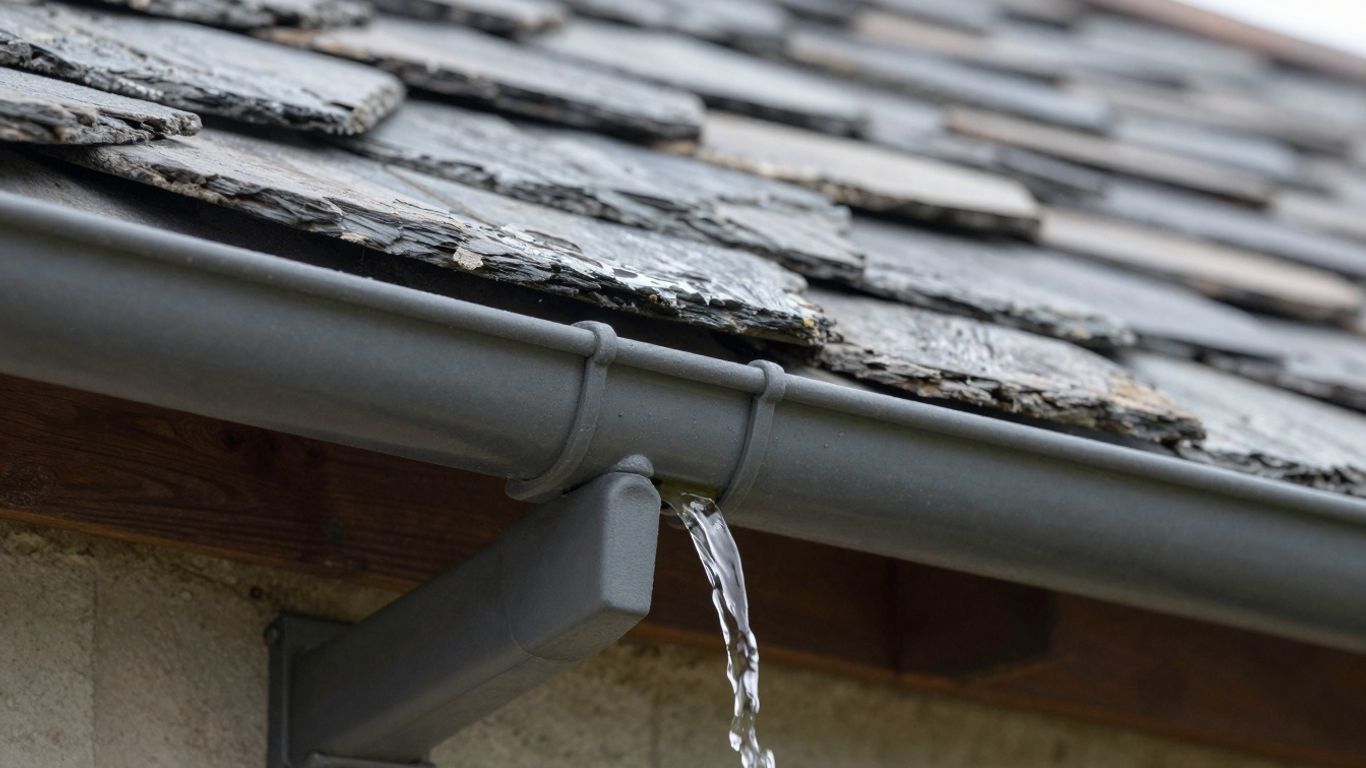
When we think about our gutters, we often focus on the water runoff and preventing basement floods. But we also need to consider how our gutter system interacts with other parts of our home, especially if we have a slate roof. Slate roofs are beautiful and last a long time, but they can be a bit more delicate than other roofing materials. Gutters that are clogged or improperly installed can cause water to back up and sit against the edge of the slate. This standing water can freeze and expand during winter, potentially causing the slate tiles to crack or lift. We’ve seen cases where debris left in gutters for too long has actually caused minor damage to the flashing around the edges of the roof, which is a whole other headache to fix.
Proper gutter maintenance is key to protecting your entire roof system.
Here’s what we look out for:
- Water pooling: Check if water is sitting in the gutters after rain, or worse, if it’s flowing over the sides. This is a sign of clogs or poor slope.
- Debris buildup: Leaves, twigs, and other junk can trap moisture and weigh down the gutters, putting stress on the roof edge.
- Ice dams: In winter, ice can build up at the gutter’s edge, preventing meltwater from draining. This can force water under the shingles.
- Physical damage: Look for any cracks, holes, or sagging sections in the gutters themselves.
We’ve learned that ignoring the connection between gutters and roofing materials can lead to bigger problems down the line. It’s not just about the gutters; it’s about the whole house working together.
Professional Inspection for Long-Term Protection
While we can do a lot of the basic checks ourselves, sometimes it’s best to bring in the pros, especially when dealing with slate roofs. A professional inspection can catch issues we might miss. They have the tools and experience to assess the condition of both the gutters and the roof tiles, looking for subtle signs of wear or damage. They can also check the integrity of the fasteners holding the gutters in place and make sure the slope is correct for optimal drainage. If you have a slate roof, it’s a good idea to have a gutter specialist or roofer take a look at least once a year, ideally before winter really sets in. They can spot potential problems like loose tiles or compromised flashing that could be made worse by winter weather. It’s an investment in preventing costly repairs later on.
Here are some things a professional inspection might cover:
- Gutter slope and pitch: Ensuring water flows away from the house.
- Downspout condition: Checking for blockages and secure attachments.
- Roof edge and flashing: Inspecting for any signs of water intrusion or damage.
- Gutter material wear: Identifying rust, cracks, or loose seams.
- Slate tile condition: Looking for cracks, chips, or missing pieces near the gutter line.
Wrapping Up: Winter-Ready Gutters
So, we’ve talked about why getting your gutters right before winter hits is a good idea. It’s not the most exciting task, we know, but it really does make a difference. Properly installed gutters mean less worry about ice dams, water damage, and all the other headaches winter can bring. Think of it as a small bit of work now that saves us from bigger problems later. We hope this helps you feel more confident about your home’s defenses against the cold weather. Take care of those gutters, and they’ll take care of your home.
Frequently Asked Questions
Why is it so important to clean our gutters before winter arrives?
We need to clear out leaves, twigs, and other gunk from our gutters. If they’re full, melted snow or rain can’t drain properly. This can lead to water backing up, freezing, and causing damage to our roof and walls, which is a costly problem we want to avoid.
What can we do to make sure our downspouts don’t freeze up?
Frozen downspouts are a real headache! We should check that they’re clear and angled correctly so water can flow away from the house easily. Sometimes, adding extensions can help direct water further out, preventing ice dams from forming right next to our foundation.
Are gutter guards worth the investment for winter protection?
Gutter guards can be a smart move. They help keep the bulk of the leaves and debris out, meaning we won’t have to clean them as often. This is especially helpful in the fall and can reduce the chance of clogs that lead to ice buildup during the colder months.

