


After a long winter of fires, we often don’t think twice about our chimneys. But the cold, ice, and constant use can really take a toll. We might not notice it right away, but damage can start to show. It’s important to check for signs that your chimney needs some attention, especially when it comes to the mortar. Ignoring these issues could lead to bigger problems down the road. We’ll look at what to watch out for and when it’s time to call in the pros for chimney repointing services.
Key Takeaways
- We should look for cracks, crumbling, or missing bits in the mortar between chimney bricks, as this shows wear and tear.
- A chimney that seems to be leaning or has bricks that are flaking (spalling) are serious signs that need checking.
- We need to schedule chimney repointing services if we see these problems, especially if they look bad, to keep our chimney safe and sound.
Visible Deterioration Of Mortar Joints
After a long winter of fires and weather, we often see some wear and tear on our chimneys. One of the first places to look for trouble is the mortar that holds everything together. This stuff is like the glue for your chimney, and when it starts to go, the whole structure can be at risk.
Cracked Or Crumbling Mortar
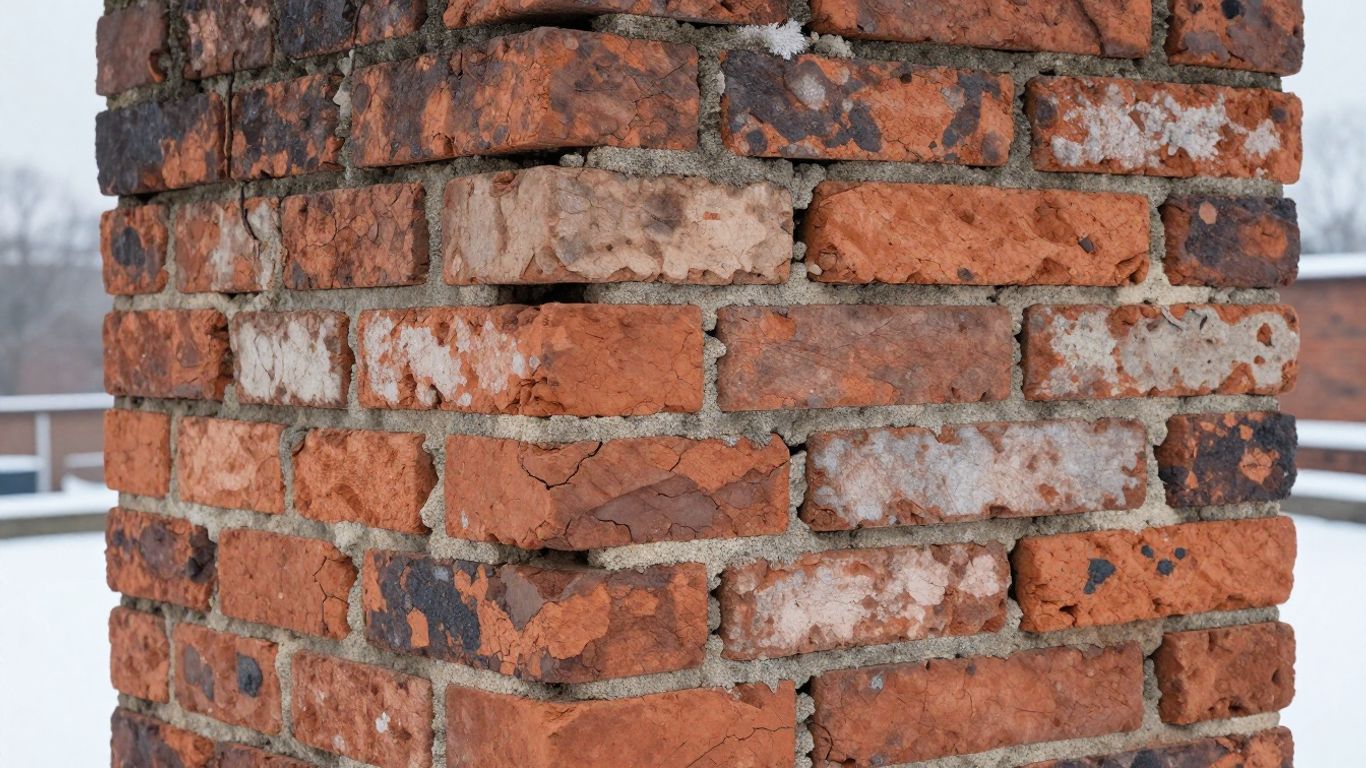
We’ve noticed that after harsh winters, the mortar between the bricks can start to show its age. You might see small cracks forming, or worse, the mortar might just turn to dust and fall out. This is a pretty clear sign that the mortar has been weakened by freeze-thaw cycles. Water gets into tiny cracks, freezes, expands, and then thaws, repeating the process until the mortar breaks down. If you can easily pick out bits of mortar with your finger or a small tool, it’s definitely time to pay attention.
Missing Mortar Sections
Sometimes, it’s not just cracks. We’ve seen entire sections of mortar just disappear. This can happen gradually as the mortar erodes away, or it can be more sudden if a chunk breaks off. When you have missing mortar, it creates gaps. These gaps let water and even pests into the chimney structure, which can lead to bigger problems down the line. It also means the bricks aren’t held as tightly together as they should be.
It’s easy to overlook small cracks or missing bits of mortar, especially if they’re high up. But these seemingly minor issues are often the first indicators of a larger problem developing. Addressing them early can save a lot of hassle and expense later on.
Here are some things we look for when checking for mortar issues:
- The color of the mortar – it might look lighter or chalky when it’s deteriorating.
- The texture – it should be hard, not crumbly or sandy.
- The depth of any cracks – shallow cracks are one thing, but deep ones are more concerning.
- Any mortar debris found in the fireplace or around the base of the chimney.
Structural Integrity Concerns
After a long winter, we often find ourselves looking at our homes and noticing things we might have missed during warmer months. When it comes to our chimneys, a strong winter can really take a toll. We need to pay close attention to any signs that suggest the chimney’s structure might be compromised. These aren’t just cosmetic issues; they can affect the safety and stability of your entire home.
Leaning Chimney Structure
One of the most alarming signs is if your chimney appears to be leaning. This isn’t something that happens overnight, but winter’s freeze-thaw cycles and heavy snow loads can exacerbate existing weaknesses. The ground around the foundation can shift, or the chimney’s own mortar can degrade, leading to a noticeable tilt. A chimney that leans significantly is a serious safety hazard. It puts undue stress on the roof structure and could potentially collapse.
We should check for this by looking at the chimney from a distance, perhaps from across the yard. Does it look straight up and down, or does it seem to be tipping away from the house? Sometimes, a string with a weight dropped from the top can help us see if it’s plumb.
Spalling Bricks
Spalling refers to the flaking or peeling of the brick’s surface. This happens when moisture gets into the brick, freezes, and expands, pushing the outer layer off. Winter is prime time for this to occur. You might see small chips of brick on the ground below the chimney, or the surface of the bricks themselves might look rough and pitted. It’s a sign that the brick is absorbing too much water, which weakens it over time. If left unaddressed, spalling can lead to bricks crumbling away entirely, compromising the chimney’s wall.
We can usually spot spalling by looking for:
- Rough, pitted surfaces on the bricks.
- Loose or missing outer layers of brick.
- Small pieces of brick debris accumulating at the base of the chimney.
It’s important to remember that bricks are porous. While some minor surface wear is normal over many years, rapid or widespread spalling after a single winter is a clear indicator of a problem that needs attention. This moisture absorption can also affect the mortar, making it more susceptible to damage.
If we notice either a leaning chimney or significant spalling, it’s time to get a professional opinion. These aren’t issues to ignore, as they directly impact the structural soundness of our homes.
When To Schedule Chimney Repointing Services
After a tough winter, it’s smart to take a good look at your chimney. We’ve talked about some of the signs that show wear and tear, like crumbling mortar or even a chimney that seems to be leaning a bit. Now, let’s figure out when it’s time to call in the pros for repointing.
Signs Requiring Immediate Attention
Some issues can’t wait. If you see any of these, it’s best to get a chimney professional out to your home sooner rather than later. We don’t want small problems turning into big, expensive ones.
- Large sections of mortar missing: We’re not talking about tiny chips here. If you can see daylight through your chimney walls because the mortar is gone, that’s a serious issue.
- Significant cracking or bowing in the chimney structure: This points to bigger problems with how the chimney is standing. It might be a sign of foundation issues or serious structural stress.
- Bricks that are actively flaking or breaking apart (spalling): While some wear is normal, rapid spalling means the bricks themselves are failing, which compromises the whole chimney.
Ignoring these kinds of problems can lead to water getting into your home, or worse, parts of the chimney could become unstable. It’s always better to be safe than sorry when it comes to your home’s structure.
Preventative Maintenance For Your Chimney
Beyond the urgent fixes, regular checks can save you headaches down the road. Think of it like getting an oil change for your car – it keeps things running smoothly.
- Annual Inspections: We recommend having your chimney inspected at least once a year, ideally before the cold season starts. This lets us catch minor issues before they become major.
- Keep an eye on the weather: Extreme temperature swings and heavy precipitation can really take a toll. If you notice new cracks after a particularly harsh spell, it’s worth a look.
- Cleanliness matters: Keeping your chimney clean, both inside and out, helps prevent buildup that can trap moisture and speed up deterioration. We’re talking about creosote inside and debris on the outside.
Scheduling regular maintenance and addressing small issues promptly is the best way we can keep our chimneys safe and working well for years to come. It’s an investment in your home’s safety and longevity.
Wrapping Up: Keeping Your Chimney Safe
So, we’ve gone over some of the common signs that your chimney might need some attention after a tough winter. It’s easy to forget about the chimney when it’s not in use, but that cold, wet weather can really do a number on the mortar. If you’ve spotted any of those cracks or crumbling bits we talked about, it’s probably a good idea to get a professional to take a look. Ignoring these issues could lead to bigger, more expensive problems down the road, not to mention safety concerns. We think it’s best to be proactive. A quick inspection now could save you a lot of hassle and keep your home safe and warm for many winters to come.
Frequently Asked Questions
What exactly is chimney repointing?
We consider chimney repointing to be the process of fixing the mortar that holds your chimney’s bricks together. Over time, especially after a tough winter, this mortar can break down. We carefully remove the old, worn-out mortar and replace it with new material, making your chimney strong and safe again.
How often should we have our chimney checked for repointing needs?
It’s a good idea for us to inspect your chimney at least once a year, usually in the spring after the winter’s harsh weather. However, if you notice any of the signs we’ve discussed, like crumbling mortar or a leaning chimney, we should check it out much sooner. Being proactive can save you from bigger problems down the road.
Can we fix minor mortar issues ourselves, or is it always a job for professionals?
While we understand the desire to tackle DIY projects, chimney repointing is a task best left to us, the professionals. Working on a chimney involves heights and specific skills to ensure the repair is done correctly and safely. Improper repairs could actually weaken your chimney further, leading to more costly fixes later on. We have the right tools and knowledge to get it done right the first time.

