


As the seasons change and spring arrives, we often find ourselves looking at our homes and thinking about what needs attention. One area that can cause real problems if ignored is the skylight. We’ve noticed a few things around our place that made us think about potential leaks. This article is about spotting those signs early and what we can do about them, focusing on skylight leak repair.
Key Takeaways
- Look for water stains on ceilings or walls near the skylight, and check for any signs of mold or mildew, which can indicate moisture problems.
- Simple fixes like applying new sealant around the edges of the skylight can often stop small leaks.
- Regularly check the flashing around your skylight; this metal trim is key to keeping water out, and damaged flashing needs prompt skylight leak repair.
Identifying Common Skylight Leak Signs
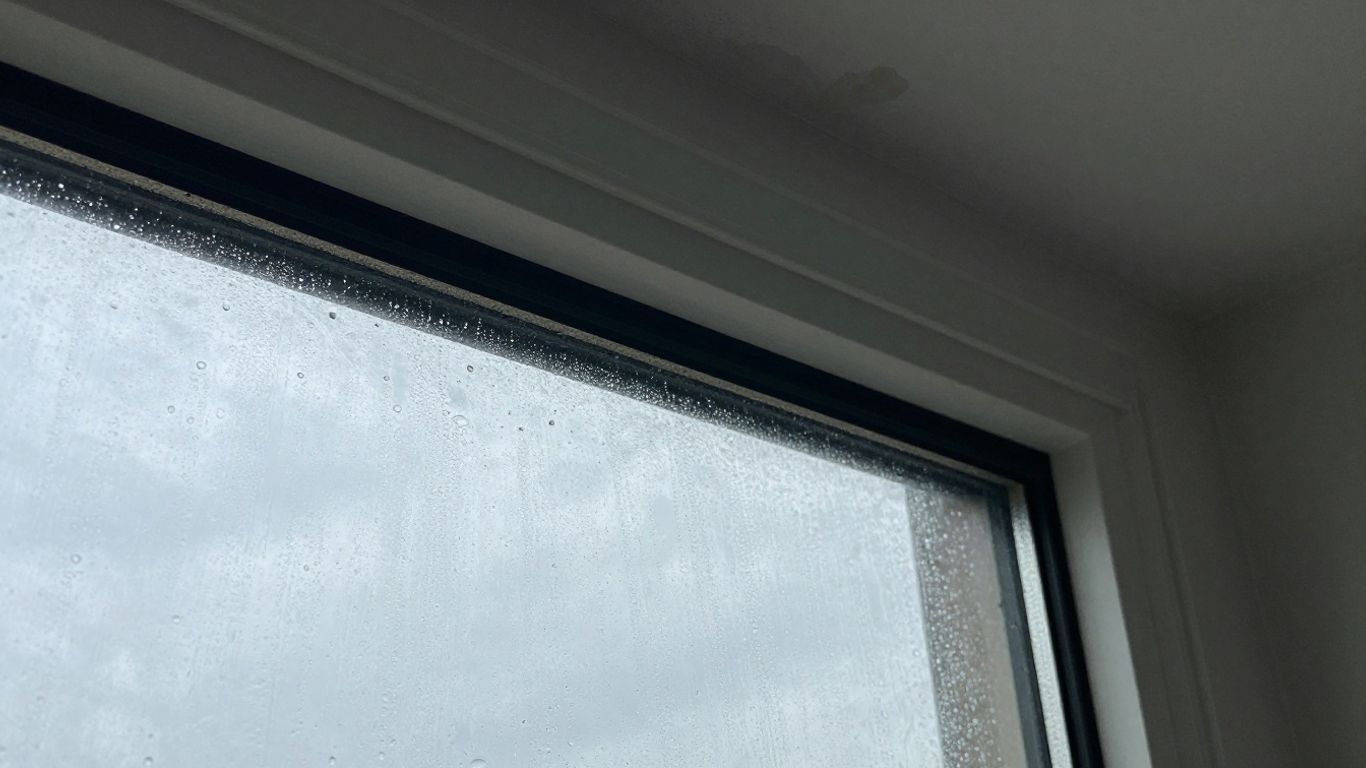
When spring arrives, we often turn our attention to the house, and that includes checking on things like our skylights. Sometimes, a little bit of water can find its way in, and if we don’t catch it, it can cause problems. We need to know what to look for so we can fix things before they get worse.
Water Stains And Discoloration
One of the first things we might notice is a change in the color of the ceiling around the skylight. You might see a yellowish or brownish stain spreading out from the frame. These water stains are a pretty clear sign that moisture has been getting in. It doesn’t always mean a huge flood, but it’s definitely telling us something isn’t sealed up right. Sometimes, the paint might even start to bubble or peel in that area. It’s like the ceiling is showing us a bruise from the water damage.
Mold And Mildew Growth
If a leak has been going on for a while, or if the area stays damp, we might start seeing mold or mildew. This often looks like fuzzy black, green, or white spots. It’s not just unsightly; it can also be bad for our health, especially if we have allergies or breathing issues. We usually find it right around the edges of the skylight or on the drywall nearby. It thrives in damp, dark places, which is exactly what a slow leak can create.
We should also keep an eye out for any drips, even small ones, especially after heavy rain or snowmelt. Sometimes, the water might not leave a visible stain right away, but a persistent drip is a direct indicator of a breach in the seal.
Here are some other things to watch for:
- Condensation: While not always a leak, excessive condensation on the inside of the glass can sometimes point to poor sealing or insulation issues that might lead to water problems.
- Peeling Paint or Wallpaper: Similar to water stains, moisture can cause the paint or wallpaper around the skylight to lose its adhesion and start peeling.
- Musty Odors: Even without visible signs, a persistent musty smell in the room, particularly near the skylight, can indicate hidden mold growth due to a slow leak.
Swift Solutions For Skylight Leak Repair
When we spot those tell-tale water stains, it’s easy to feel a bit panicked. But don’t worry, fixing a leaky skylight is often something we can tackle ourselves with a few basic tools and materials. The key is to act fast before small issues become big problems.
Sealant and Caulk Application
This is usually our first line of defense. Over time, the sealant around the edges of the skylight can dry out, crack, and lose its grip, letting water seep in. We need to check the entire perimeter where the glass meets the frame, and where the frame meets the roof.
Here’s a simple approach:
- Clean the Area: Make sure the area around the skylight is clean and dry. Remove any old, peeling caulk or debris. A putty knife works well for scraping.
- Apply New Caulk: Use a good quality exterior-grade silicone caulk or sealant. Apply a continuous bead around the entire edge, pressing it firmly into the gap. Smooth it out with a wet finger or a caulking tool for a neat finish.
- Check the Joints: Pay special attention to the corners and any seams in the frame. These are common spots for leaks to start.
Flashing Inspection and Repair
Flashing is the metal or rubber material installed around the skylight to direct water away from it and onto the roof. If this gets damaged, bent, or has gaps, water can easily find its way underneath.
- Look for Damage: Carefully inspect the flashing. Are there any holes, rust spots, or areas where it’s pulled away from the roof or skylight frame? Is it bent or kinked?
- Reseal Gaps: If you find small gaps or loose edges, we can often reseal them with roofing cement or a specialized flashing sealant. Just make sure to apply it generously to create a watertight barrier.
- Replace Damaged Sections: If the flashing is significantly damaged, like badly rusted or torn, it might need to be replaced. This can be a bit more involved, and if we’re not comfortable with roofing work, it’s best to call in a professional for this part.
Remember, even a small crack in the sealant or a slightly bent piece of flashing can be enough for water to get in, especially during heavy rain or melting snow. Taking the time to properly seal and inspect these areas is a straightforward way to prevent bigger headaches down the road.
Wrapping Up Our Skylight Check
So, we’ve gone over some of the common signs that your skylight might be letting in more than just sunshine, and we’ve talked about some simple fixes we can tackle ourselves as the weather warms up. It’s easy to put off these kinds of home maintenance tasks, but a little attention now can save us a lot of trouble, and expense, down the road. Keeping an eye on things and doing these quick checks can make a real difference in keeping our homes dry and comfortable. If you’re unsure about anything, or if the problem seems bigger than a simple fix, it’s always best to call in a professional. But for many of us, these steps should help us get our skylights ready for whatever spring throws at us.
Frequently Asked Questions
What are the first signs we should look for that our skylight might be leaking?
We should keep an eye out for yellowish or brownish marks on the ceiling around the skylight. These water stains are often the earliest clue. Also, if we notice any fuzzy or dark spots that look like mold or mildew growing nearby, that’s another big warning sign that moisture is getting in where it shouldn’t be.
How often should we check the flashing around our skylight?
It’s a good idea for us to give the flashing a look at least once a year, perhaps in the spring when we’re doing other house checks. We want to make sure it’s not bent, cracked, or letting water seep underneath. If we see any damage, it’s best to fix it right away before it causes bigger problems.
Can we fix a small skylight leak ourselves, or should we always call a professional?
For minor issues, like a small crack in the sealant or some worn-out caulk, we might be able to handle it ourselves. Applying new sealant or caulk can often do the trick. However, if the leak seems more serious, or if we’re unsure about the flashing or the overall condition of the skylight, it’s always safer for us to get a professional opinion and repair.

