


We’re here to talk about something important for our homes: keeping our roofs in good shape. It might not be the most exciting topic, but regular roof maintenance benefits are pretty significant. Think of it like taking care of your car; a little attention now saves a lot of trouble later. We’ll look at how looking after our roofs helps them last longer, work better, and keep our homes safe and looking good.
Key Takeaways
- Taking care of small roof issues before they grow saves us money and stops bigger problems down the road.
- A well-kept roof helps our homes use less energy, which means lower bills and a greener footprint.
- Regular checks catch leaks early, stopping water damage that can harm our homes’ structure and health.
- A good-looking roof makes our homes more attractive and can increase their worth when it’s time to sell.
- Keeping our roofs in shape makes sure they’re strong and safe, protecting us from bad weather and keeping the house sound.
Maximizing Roof Lifespan Through Proactive Care
We often think of our roofs as just being there, doing their job without much fuss. But like anything, they need a little attention to keep performing well for years to come. Proactive care isn’t just about fixing things when they break; it’s about preventing those small issues from turning into big, expensive headaches. We’re talking about keeping your roof in good shape so it lasts as long as it’s supposed to.
Preventing Minor Issues From Becoming Major Problems
It’s easy to ignore a loose shingle or a bit of debris collecting in a gutter. We see it, think "I’ll get to that later," and then later never quite arrives. But these small things can really add up. A single loose shingle can let water seep underneath, which over time, can damage the decking and even lead to rot. Debris in gutters can cause water to back up, potentially freezing and expanding in colder months, or overflowing and damaging your siding and foundation. Catching these minor problems early is key to avoiding much larger, more costly repairs down the line. It’s like going to the dentist for a check-up; a small filling is way better than needing a root canal.
Extending The Service Life Of Your Roofing System
When we take good care of our roofs, we’re essentially giving them a longer life. Think about it: regular cleaning removes moss and algae that can break down roofing materials. Sealing small cracks or replacing worn-out flashing prevents water intrusion. These actions, though seemingly small, protect the integrity of the entire system. A well-maintained roof can easily last 20, 30, or even more years, depending on the material. Neglecting it, however, can shorten that lifespan considerably, forcing an early replacement.
Understanding The Impact Of Neglect On Durability
Neglect is the enemy of durability. When we let our roofs go without attention, we’re actively reducing their ability to withstand the elements. Sun exposure, wind, rain, snow – these all take a toll. Without maintenance, materials become brittle, seals weaken, and protective layers wear away. This makes the roof more susceptible to damage from storms and general wear and tear. We’ve seen roofs that looked okay from the ground but had significant underlying damage simply because they weren’t inspected regularly. The result? A roof that fails prematurely and costs a lot more to fix than consistent upkeep would have.
Taking a proactive approach means we’re not just reacting to problems; we’re actively working to prevent them. This mindset shift is what truly maximizes the lifespan and performance of our roofing systems.
Enhancing Energy Efficiency With A Well-Maintained Roof
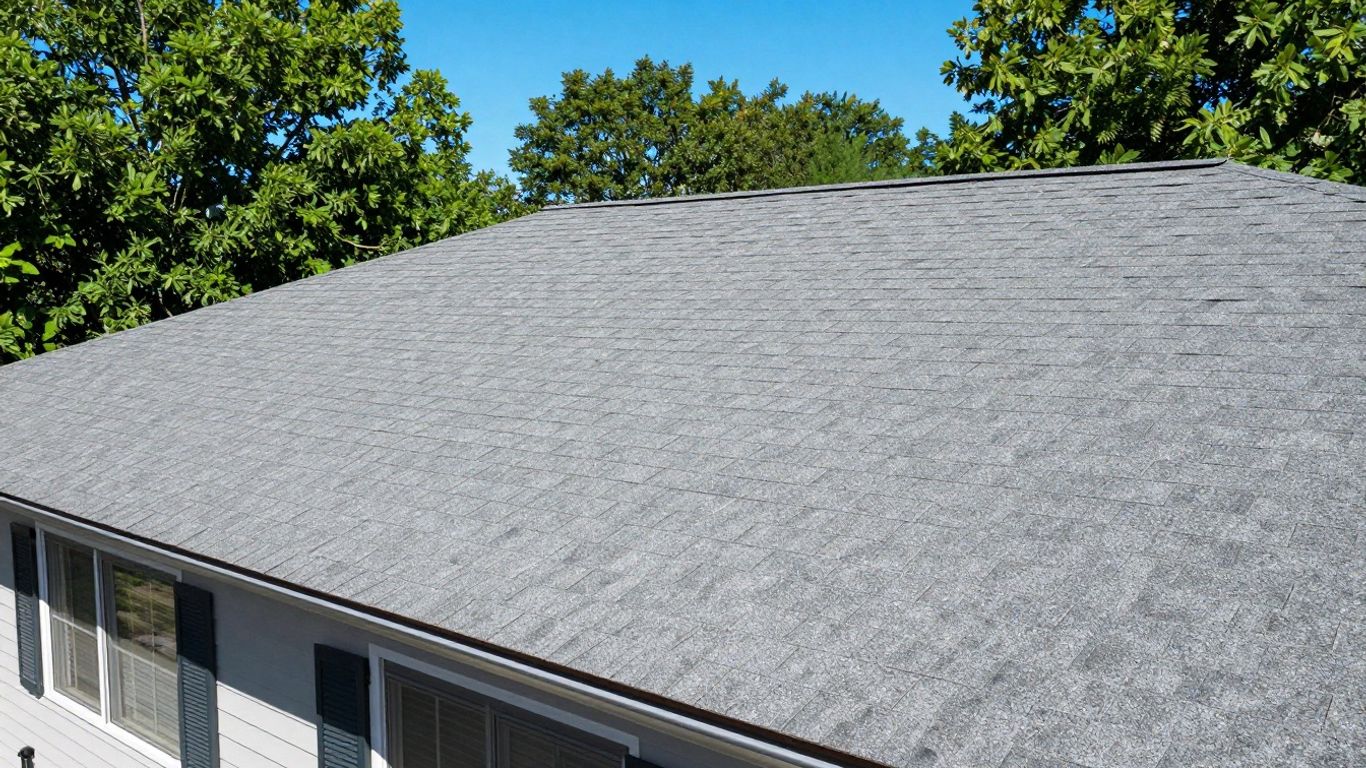
We often think about our roofs just for protection from rain and sun, but they play a big part in how energy efficient our homes are too. A roof that’s in good shape helps keep your home comfortable without making your heating and cooling systems work overtime. It’s about more than just keeping the weather out; it’s about keeping the climate you want inside.
Reducing Heat Transfer With Proper Insulation And Ventilation
Think of your roof as the lid on a pot. If that lid isn’t sealed well or is letting heat escape, you’re losing energy. Proper insulation in your attic, directly beneath the roof deck, is key. It acts like a blanket, stopping heat from escaping in the winter and keeping it out in the summer. But insulation alone isn’t enough. We also need good ventilation. Vents in the soffit and at the ridge allow hot air and moisture to escape the attic. Without this airflow, heat can build up, making your attic hotter and forcing your air conditioner to work harder. A well-ventilated and insulated attic can make a noticeable difference in your home’s temperature.
Lowering Utility Bills Through Improved Performance
When your roof is working correctly, it means less energy is wasted. This directly translates to lower utility bills. If your attic is too hot in the summer, your AC runs more. If it’s too cold in the winter, your furnace works harder. By addressing roof issues like poor insulation, damaged shingles that let in drafts, or inadequate ventilation, we help create a more stable indoor environment. This means your HVAC system doesn’t have to fight against the elements as much, saving us money month after month.
Contributing To A More Sustainable Building Envelope
Our homes are a system, and the roof is a major part of that system. When we maintain our roofs properly, we’re not just saving money; we’re also making our homes more sustainable. Reducing energy waste means a smaller carbon footprint. It’s a simple step that has a ripple effect. A well-performing roof means less demand on power grids, especially during peak summer and winter months. It’s about building smarter and living lighter on the planet.
Here’s a quick look at how roof condition impacts energy use:
- Poorly Insulated Attic: Heat escapes in winter, enters in summer.
- Blocked Vents: Traps hot air and moisture, increasing cooling load.
- Damaged Shingles/Seals: Allows drafts, letting conditioned air out and outside air in.
- Old Roofing Materials: May have lower insulating properties compared to modern options.
Taking care of our roof isn’t just about avoiding leaks; it’s a smart way to manage our home’s energy use. It keeps us comfortable year-round and cuts down on those annoying energy bills. Plus, it’s a good step towards being more eco-friendly.
Protecting Your Property From Water Damage
Water. It’s a necessary part of life, but when it gets where it shouldn’t, it can cause a whole lot of trouble for our homes. We’ve seen firsthand how a small leak, if left unchecked, can turn into a major headache. That’s why keeping our roofs in good shape is so important for stopping water in its tracks.
Identifying and Repairing Leaks Early
Spotting a leak isn’t always obvious. Sometimes it’s just a small damp spot on the ceiling, other times it’s more noticeable. We need to be watchful for signs like water stains, peeling paint, or even drips after a rainstorm. Getting up on the roof (safely, of course!) or having a professional do it can help us find small issues before they grow. Think of it like finding a tiny crack in a windshield; fix it early, and you avoid a much bigger problem later.
Preventing Mold and Mildew Growth
Where there’s dampness, mold and mildew can follow. These aren’t just unsightly; they can affect our health and the air quality inside our homes. Water that seeps into attics or wall cavities creates the perfect environment for these growths. Regular roof maintenance helps keep these spaces dry, which in turn stops mold and mildew from taking hold. It’s about keeping our living spaces healthy.
Safeguarding Structural Integrity
Water doesn’t just damage paint or drywall. If it gets into the roof structure itself – the wood beams, the decking – it can weaken them over time. This is serious stuff. Rotting wood can compromise the entire roof system, and in worst-case scenarios, lead to structural failure. We have to remember that our roof is a key part of our home’s support. Keeping it watertight means protecting the very bones of our house.
A well-maintained roof acts as the first line of defense against the elements. Ignoring its condition is like leaving the front door wide open to potential damage.
Here are some common areas where water can cause problems if the roof isn’t cared for:
- Flashing: The metal strips around chimneys, vents, and skylights can degrade or loosen, allowing water to seep in.
- Shingles: Cracked, curled, or missing shingles are direct entry points for rain.
- Gutters and Downspouts: Clogged gutters can cause water to back up onto the roof or overflow down the sides of the house, leading to fascia and foundation issues.
- Roof Decking: Persistent moisture can cause the wood beneath the shingles to rot.
Boosting Curb Appeal And Property Value
We often focus on the practical side of roof maintenance – keeping the rain out, making sure the house stays warm. But let’s not forget how much a roof contributes to how our homes look from the outside. A well-kept roof can really make a house stand out.
Maintaining a Visually Appealing Exterior
Think about it: the roof covers a huge portion of your home’s visible surface. Shingles that are curling, missing, or covered in moss just don’t look good. They can make even the nicest house seem neglected. Regular cleaning, replacing damaged shingles promptly, and keeping gutters clear of debris all add up to a much cleaner, more attractive look. It’s about presenting your home in its best light. A tidy roof is a strong signal of a well-cared-for property.
Increasing Resale Value Through Excellent Condition
When we decide to sell our homes, the roof is often one of the first things potential buyers notice, and for good reason. A buyer’s inspector will definitely check it out. A roof that’s nearing the end of its life or shows signs of wear can be a major red flag, often leading to lower offers or even scaring buyers away. On the flip side, a roof that’s in great shape, perhaps with recent maintenance or upgrades, can significantly boost your home’s marketability and its overall resale value. It shows you’ve taken good care of the property.
Demonstrating Commitment to Property Upkeep
Taking care of your roof is more than just a repair job; it’s a statement. It shows that we are responsible homeowners who pay attention to the details. This commitment can be seen by neighbors, visitors, and especially by anyone considering buying your home. It builds confidence in the property’s overall condition and suggests that other aspects of the home have likely been maintained just as diligently. It’s a quiet way of saying, ‘This is a home that’s been looked after.’
Here are a few simple steps we can take:
- Inspect your roof visually from the ground at least twice a year.
- Clear debris like leaves and branches that can trap moisture.
- Address any signs of moss or algae growth with appropriate cleaning methods.
- Keep gutters clean and free-flowing to prevent water backup.
Neglecting the roof’s appearance can create a negative first impression that’s hard to overcome. It’s not just about aesthetics; it’s about the perceived value and care of the entire property.
Ensuring Safety And Structural Soundness
We often think of our roof as just a cover, but it’s a really important part of our home’s structure. Keeping it in good shape means we’re keeping ourselves and our families safe. Ignoring roof problems can lead to some serious issues down the line, and nobody wants that.
Identifying Potential Hazards Before They Cause Harm
Regular check-ups are key here. We need to look for things like loose or missing shingles, cracks, or areas where the material looks worn out. Sometimes, you might see moss or algae growing, which can hold moisture and damage the roof. We should also check the flashing around chimneys and vents, as this is a common spot for leaks to start. Paying attention to these small signs can stop a minor issue from becoming a big, dangerous problem. It’s about being proactive, not reactive.
Preventing Roof Collapses Due To Wear And Tear
Over time, the constant exposure to weather takes its toll. Rain, snow, wind, and sun can weaken the materials and the underlying structure. If we let this go unchecked, the weight of accumulated debris, ice, or even just the material’s own aging can put too much stress on the roof. This is how collapses happen, and it’s a scary thought. Regular maintenance, like clearing out gutters and making sure the roof is properly supported, helps prevent this kind of failure. We want our roof to do its job for years, not suddenly give way.
Securing Your Home Against Extreme Weather
We’ve all seen the news about severe storms. A well-maintained roof is our first line of defense against high winds, heavy rain, and even hail. Shingles that are properly secured, a solid underlayment, and intact flashing all work together to keep the elements out. If parts of the roof are already damaged or loose, they’re much more likely to be ripped away in a storm, leaving the rest of the house vulnerable. Think of it like wearing a helmet – it’s there to protect you when things get rough. We need to make sure our roof is that reliable helmet for our homes.
The Financial Advantages Of Regular Roof Inspections
We often think of roof maintenance as just another chore, something to get to when we have a spare moment. But honestly, looking at it from a purely financial standpoint, it makes a lot of sense. Ignoring your roof can lead to some seriously expensive problems down the line. Regular check-ups, however, can save us a good chunk of change.
Avoiding Costly Emergency Repairs
Think about it: a small drip might seem minor, but if left unchecked, it can turn into a major leak. This isn’t just about a few water stains; it can lead to damaged insulation, warped ceiling joists, and even compromised structural beams. These kinds of repairs are not cheap. We’re talking about potentially thousands of dollars to fix water damage that could have been prevented with a simple inspection and a minor repair. Proactive care is almost always cheaper than reactive fixes. It’s like going to the dentist for regular cleanings versus waiting until you have a toothache that requires a root canal.
Understanding The Return On Investment For Maintenance
When we invest in regular roof inspections and minor upkeep, we’re not just spending money; we’re investing in the longevity of our property. A well-maintained roof lasts much longer than one that’s neglected. This means we can delay the massive expense of a full roof replacement for many years. Consider this: a typical roof replacement can cost anywhere from $8,000 to $20,000 or more, depending on the materials and size of the house. If a few hundred dollars a year in maintenance can add 5-10 years to your roof’s life, that’s a significant return on investment. It’s about stretching the life of an expensive asset.
Budgeting Effectively For Long-Term Roof Health
Unexpected expenses are tough on any budget. By scheduling annual or bi-annual roof inspections, we can get a clear picture of our roof’s condition. This allows us to anticipate potential issues and budget for them accordingly. Instead of facing a sudden, large bill for an emergency repair or replacement, we can set aside funds gradually over time. This makes managing our finances much smoother and prevents financial stress when roof issues do arise. It’s a way to plan ahead and keep our homes in good shape without financial surprises.
Here’s a simple way to think about the costs:
| Type of Expense | Estimated Cost Range | Frequency |
|---|---|---|
| Annual Inspection | $150 – $400 | 1-2 times/year |
| Minor Repairs (e.g., sealant, a few shingles) | $200 – $1,000 | As needed |
| Emergency Leak Repair | $1,000 – $5,000+ | Unpredictable |
| Full Roof Replacement | $8,000 – $20,000+ | Every 15-30 years |
The key takeaway is that the cost of preventative maintenance is a fraction of the cost of major repairs or replacement. It’s a smart financial strategy for any property owner.
Wrapping It Up
So, we’ve talked a lot about keeping our roofs in good shape. It might seem like a chore, but honestly, taking care of your roof is just smart. We’ve seen how regular check-ups and small fixes now can save us big headaches and a lot of money down the road. Think of it like going to the doctor for a check-up; it’s better to catch small things before they become serious problems. By staying on top of roof maintenance, we’re not just protecting our homes from leaks and damage, we’re also making sure our houses stay strong and perform well for years to come. It’s a simple step that makes a big difference for the long haul.
Frequently Asked Questions
Why is it important to check our roof often?
We believe that regular roof checks are super important because they help us catch small problems before they turn into big, expensive headaches. Think of it like visiting the doctor for a check-up; it’s better to find a tiny issue early than wait until it becomes a serious illness that costs a lot to fix.
How does taking care of our roof help save energy?
When our roof is in good shape, it does a better job of keeping our homes cool in the summer and warm in the winter. This means our heating and cooling systems don’t have to work as hard, which can lower our electricity bills. It also helps keep our homes more comfortable all year round.
What happens if we don’t fix leaks right away?
Ignoring small leaks can lead to major water damage. Water can seep into our walls and ceilings, causing wood to rot and creating a perfect environment for mold and mildew to grow. This not only damages the inside of our home but can also be bad for our health.
Does a well-kept roof make our house look better and worth more?
Absolutely! A clean, well-maintained roof makes the whole house look more attractive from the outside. This can make a big difference when we decide to sell our home, as potential buyers often see a good roof as a sign that the property has been well cared for, which can increase its selling price.
How does roof maintenance keep our home safe?
A strong roof protects us from bad weather like heavy rain, strong winds, and even snow. By making sure our roof is sturdy and free of damage, we prevent things like leaks or even parts of the roof collapsing, keeping everyone inside safe and sound.
Is it cheaper to do regular roof upkeep than wait for big repairs?
We’ve found that spending a little on regular maintenance saves us a lot in the long run. It’s much less expensive to fix a loose shingle or a small crack than to deal with major water damage or a complete roof replacement caused by neglect. Planning for these small costs helps us avoid surprise, big bills later.

