


As spring arrives, so does the rain. We often see a lot of wet weather during this time of year, and it makes us think about how our homes hold up. We’ve been looking at different roofing materials, and one that really stands out when things get damp is slate. It’s a natural stone, and it seems to handle the wet better than many other options.
Key Takeaways
- Slate roofing is very strong and doesn’t break down easily when it’s wet, which is great for spring’s damp conditions. This durable slate roofing keeps water out.
- Because slate is a natural stone, it naturally pushes water away, helping your roof stay dry even with lots of spring rain. This helps keep the whole house solid.
- Choosing durable slate roofing means you get a roof that lasts a long time and protects your home well, even when the weather is constantly wet throughout the spring season.
Unmatched Durability In Damp Conditions
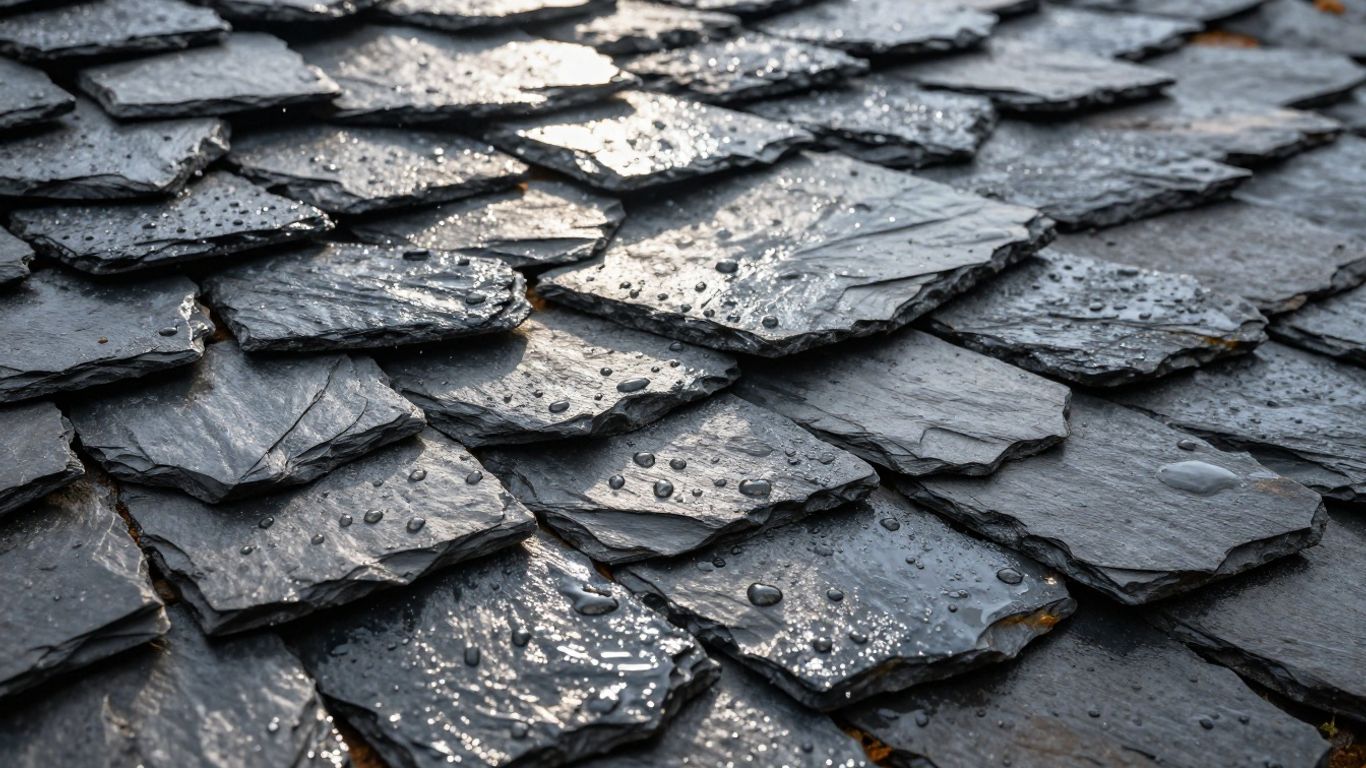
When spring showers roll in, and the rain seems to be a constant companion, the durability of our roofing becomes a real concern. We’ve found that slate roofing truly shines during these damp periods. It’s not just about looking good; it’s about standing up to the weather.
Resilience Against Moisture Penetration
One of the biggest headaches with roofing in wet weather is water getting where it shouldn’t. Slate, being a natural stone, is incredibly dense. This density means it’s very hard for water to soak into it. Unlike some other materials that can absorb moisture over time, leading to swelling or degradation, slate remains largely unaffected. We’ve seen how this natural resistance prevents the kind of damage that can plague less robust materials. It’s a simple, yet powerful, defense against the persistent dampness that spring often brings.
Long-Term Protection With Durable Slate Roofing
Thinking about the long haul, slate roofing offers protection that just keeps going. Its inherent toughness means it doesn’t easily break down, even when constantly exposed to moisture. This longevity is a big part of why we favor it. We’re not just looking for a solution for this spring; we’re looking for a roof that will last for decades, weathering countless wet seasons without complaint. The material itself is practically inert, meaning it won’t react chemically with water or the elements, which is a huge plus for its lifespan.
- Slate is non-porous.
- It resists freeze-thaw cycles well.
- Its natural composition means no chemical breakdown from water.
We’ve observed that the very nature of slate makes it a superior choice when the weather turns consistently wet. It’s a material that doesn’t compromise its integrity, offering peace of mind through the dampest of times.
Superior Performance During Spring Showers
When spring rolls around, we often see a lot more rain. It’s just part of the season, right? That’s precisely why we pay close attention to how our roofs handle all that wet weather. Slate roofing really shines during these times, and it’s not just a coincidence. We’ve seen firsthand how it stands up when the skies open up.
Natural Water Repellency Of Slate
Slate is a natural stone, and it’s pretty amazing how it works. It’s not porous like some other materials, meaning water just doesn’t soak into it. Think of it like a smooth, dense shield. This natural quality means that during those frequent spring showers, the water tends to run right off the surface instead of getting absorbed. This inherent resistance to water is a big reason why slate roofs don’t get heavy or degrade quickly when they’re constantly wet. It’s a simple, yet effective, property that makes a real difference.
Maintaining Structural Integrity Through Wet Seasons
We all know that prolonged exposure to moisture can cause problems for many building materials. Wood can rot, metal can rust, and some composites can break down. Slate, however, is different. Its density and non-absorbent nature mean it doesn’t swell or warp when it gets wet, and then dry out, over and over again. This stability is key to keeping the whole roof structure sound, year after year. We don’t have to worry about the freeze-thaw cycles common in spring causing damage, either, because slate is so tough.
We’ve found that the peace of mind that comes with a slate roof during the wettest parts of the year is hard to beat. It just does its job without fuss.
Here’s a quick look at why slate is a good choice for wet weather:
- Non-Porous: Water beads up and runs off.
- Dense Structure: Resists absorption and swelling.
- Inert Material: Doesn’t react chemically with water or pollutants.
- Long Lifespan: Proven to last for centuries, even in damp climates.
Wrapping Up
So, as we’ve seen, slate roofs really shine when the spring rains come down. They’re tough and don’t let water get where it shouldn’t. We think if you’re looking for a roof that can handle a wet season without a fuss, slate is a solid choice. It’s a good investment for keeping your home dry and safe, year after year. We’ve talked about how it holds up and why it’s a smart pick for our climate.
Frequently Asked Questions
Can slate roofs handle a lot of rain without getting damaged?
Yes, absolutely. We’ve seen firsthand how slate tiles are incredibly tough against water. They don’t soak up moisture like some other materials, which means they’re less likely to crack or break when the weather gets wet, especially during those long spring rainy spells.
How long do slate roofs typically last, especially in places with frequent rain?
Slate roofs are known for their amazing longevity. Even with constant dampness from spring showers, they can last for a century or more. We find that their natural strength means they hold up year after year, providing reliable shelter without needing frequent repairs.
Does slate roofing keep our homes safe and dry during the rainy season?
Indeed, it does. Slate naturally pushes water away, preventing it from seeping into your home. This means that even when we experience heavy spring rains, the roof’s structure stays strong and dry, protecting everything underneath.

