


As winter approaches, we want to make sure our homes are ready for the cold. A copper roof, while beautiful and long-lasting, needs a bit of attention before the snow and ice start to fall. We’ll walk through some simple steps to get your copper roof prepared and keep it in good shape all season long. Think of it like getting your car ready for winter driving; a little prep goes a long way. We’ll also touch on some general roof care, similar to slate roof maintenance, to keep everything looking good and working right.
Key Takeaways
- Clear debris from your copper roof before winter to help water drain properly and prevent ice buildup.
- Regularly check for any loose or damaged sections on your roof, especially before bad weather hits.
- Manage snow weight on the roof and deal with ice dams quickly to avoid damage to your copper roofing system.
Preparing Your Copper Roof For Winter Weather
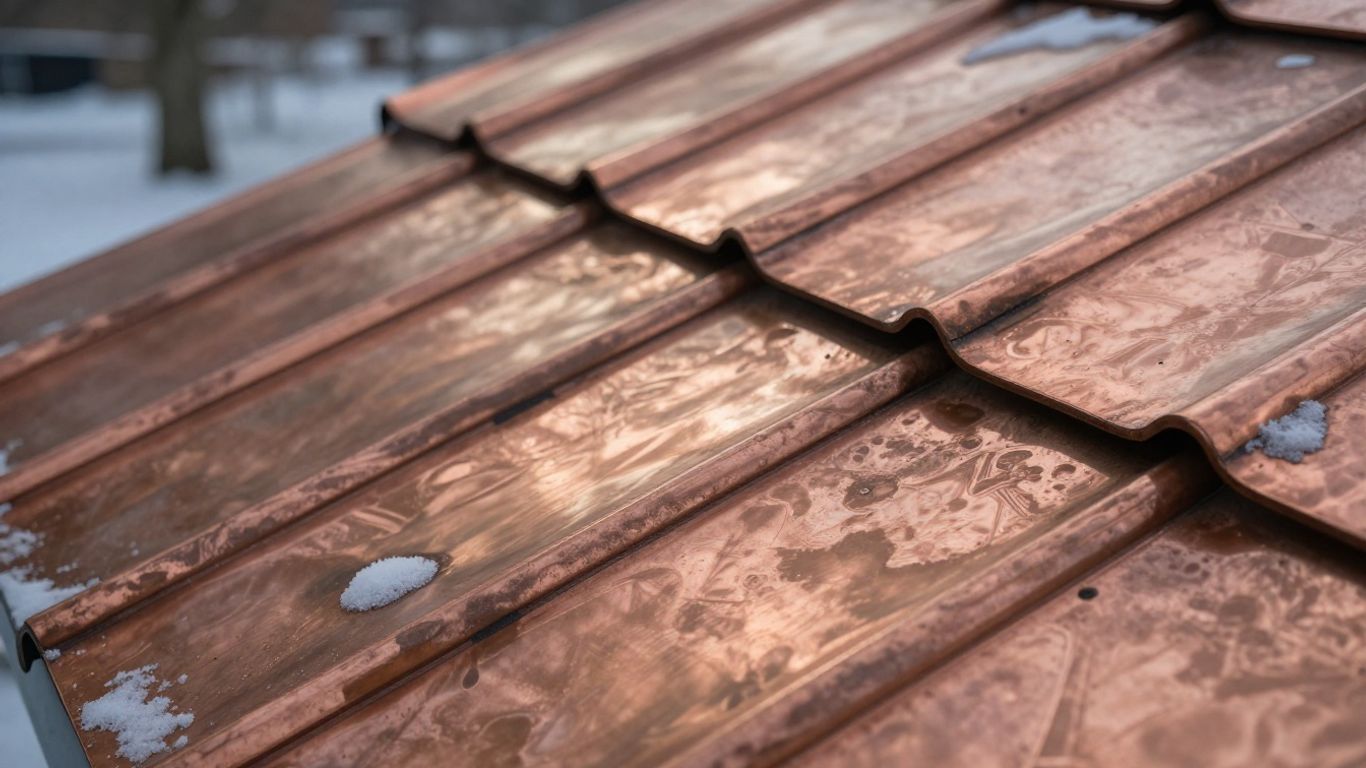
Before the first snowflake falls, we need to get our copper roofs ready for whatever winter throws at them. It’s not just about aesthetics; proper preparation helps prevent damage and keeps our roofs in good shape for years to come. Taking a little time now can save us a lot of trouble later.
Clearing Debris For Optimal Drainage
Leaves, twigs, and other bits of nature can accumulate on our roofs, especially in gutters and valleys. When winter hits, this debris can trap moisture. If that moisture freezes, it can expand and cause problems. We want to make sure water can flow freely off the roof and away from the house. This means a good clean-out is in order.
- Gutters and Downspouts: We should check these for blockages. Clogged gutters can overflow, leading to ice buildup near the foundation or even water seeping into the roof structure.
- Roof Valleys: These areas where two roof planes meet are prime spots for debris to gather. Make sure they are clear so meltwater can drain.
- Around Vents and Chimneys: Keep these areas free of debris as well. Blockages here can affect ventilation and create ice dams.
Inspecting For Potential Issues
While we’re up there clearing things out, it’s a good time for a thorough inspection. We’re looking for anything that might become a bigger problem once the snow and ice arrive.
- Loose or Damaged Panels: Check for any copper panels that seem loose, warped, or have visible damage. These are weak points that could be exploited by harsh weather.
- Fasteners: Examine the screws or nails holding the panels in place. Are they secure? Any signs of corrosion or loosening should be addressed.
- Sealants: Look at any caulking or sealants around flashing, vents, and edges. If they’re cracked or dried out, they won’t be able to keep water out.
A small issue, like a tiny crack or a loose fastener, might seem insignificant now. However, when subjected to the freeze-thaw cycles of winter, that small problem can quickly turn into a costly repair. It’s always better to fix it when it’s minor.
We should also pay attention to the overall condition of the copper. While copper is durable, it can develop a patina over time. This is normal, but we want to make sure there aren’t any signs of premature corrosion or unexpected discoloration that might indicate an underlying issue.
Ongoing Winter Care For Copper Roof Longevity
Keeping our copper roofs in good shape through the winter means paying attention to a couple of key things. It’s not just about getting them ready beforehand; we need to keep an eye on them as the weather does its thing.
Managing Snow Load Effectively
Snow can pile up, and while copper is strong, too much weight isn’t good for any roof. We need to be mindful of how much snow is accumulating, especially on steeper pitches or areas where snow might drift.
- Monitor snow depth regularly. A simple visual check can tell us a lot.
- Consider the type of snow. Light, fluffy snow weighs less than wet, heavy snow.
- Be aware of areas prone to drifting, as these spots can accumulate more snow than others.
If we’re expecting a really heavy snowfall, or if we see a significant amount building up, we might need to think about carefully removing some of it. This isn’t a job for just anyone, though. We want to avoid damaging the copper panels or flashing.
When it comes to snow removal, safety is the absolute top priority. We should only attempt this if we can do so without putting ourselves at risk. Using the right tools, like a roof rake with a rubber or plastic edge, can help prevent scratches. Never use metal shovels or ice choppers directly on the copper.
Addressing Ice Dams Promptly
Ice dams are those annoying ridges of ice that form at the edge of a roof, preventing melting snow from draining. They can cause water to back up under shingles and into the house, which is definitely something we want to avoid. Copper roofs are pretty good at handling moisture, but persistent standing water from ice dams can still cause problems over time.
- Look for signs of ice buildup, especially along the eaves and in valleys.
- Check gutters and downspouts to make sure they aren’t blocked by ice, which contributes to dam formation.
- If we notice an ice dam forming, we need to deal with it before it gets too big.
Dealing with ice dams usually involves carefully melting the ice. We can use a roof rake to pull snow away from the edge, which helps prevent the dam from forming in the first place. Sometimes, a slow, gentle melting process using a hose with lukewarm water (not hot!) directed at the dam can help break it up. We must be patient and avoid any forceful methods that could damage the copper. It’s also a good idea to ensure our attic is well-insulated and ventilated, as this helps prevent the conditions that lead to ice dams by keeping the roof surface colder.
Wrapping Up Your Copper Roof’s Winter Care
So, we’ve gone over a few things to keep your copper roof in good shape when the cold weather hits. It’s not too complicated, really. Just a bit of looking around for ice dams, making sure gutters are clear, and keeping an eye on any loose bits. We know it might seem like a lot, but taking these small steps now can save us a lot of trouble later. A well-maintained roof means a warmer, safer home for us all through the winter months. Let’s get it done.
Frequently Asked Questions
How often should we check our copper roof before winter hits?
It’s a good idea to give your copper roof a thorough look-over at least once in the fall, before the really cold weather sets in. This way, we can catch any small problems before they become big, icy headaches.
What happens if we don’t clear leaves and branches from our copper roof?
When leaves and twigs pile up, they can block water from draining properly. This trapped moisture can freeze and thaw, which isn’t great for the copper over time. It can also lead to rust or other damage if left unaddressed.
Is it safe for us to try and remove snow or ice from our copper roof ourselves?
We strongly advise against trying to remove heavy snow or ice from your copper roof on your own. It can be dangerous, and we might accidentally scratch or damage the copper. It’s usually best to let nature take its course or call in professionals if there’s a serious concern about weight.

